Securities Reconciliation Software for Trades, Positions, and Custody

Match Trades, Positions, and Corporate Actions Against Custodian and Broker Records Automatically

  • Trade and Settlement Status Confirmed Against Counterparties
  • Positions Matched Against Custodian Holdings Daily
  • Corporate Actions Reconciled Before They Affect Valuation
  • Aged Breaks Surfaced Before They Become Write-Offs
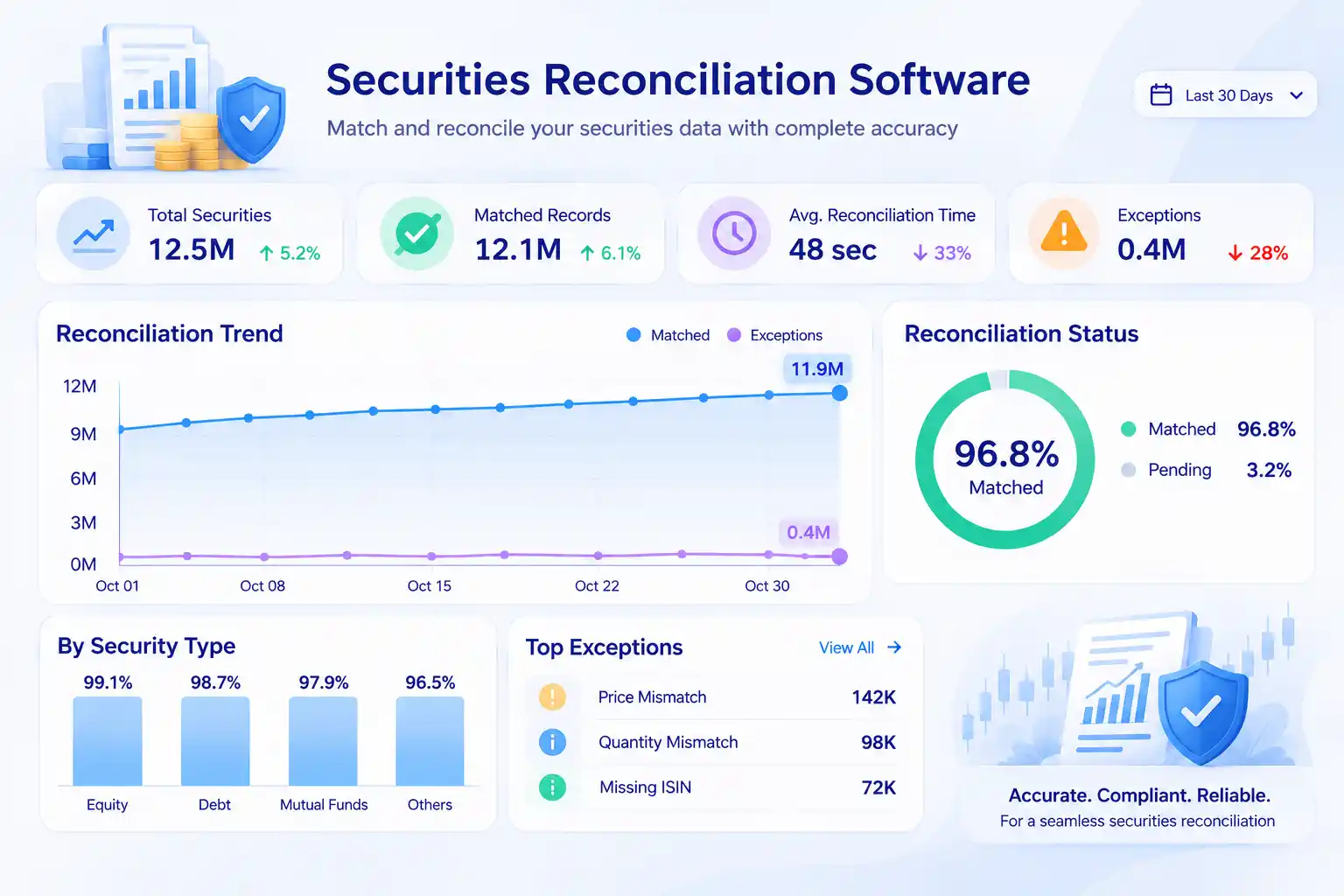
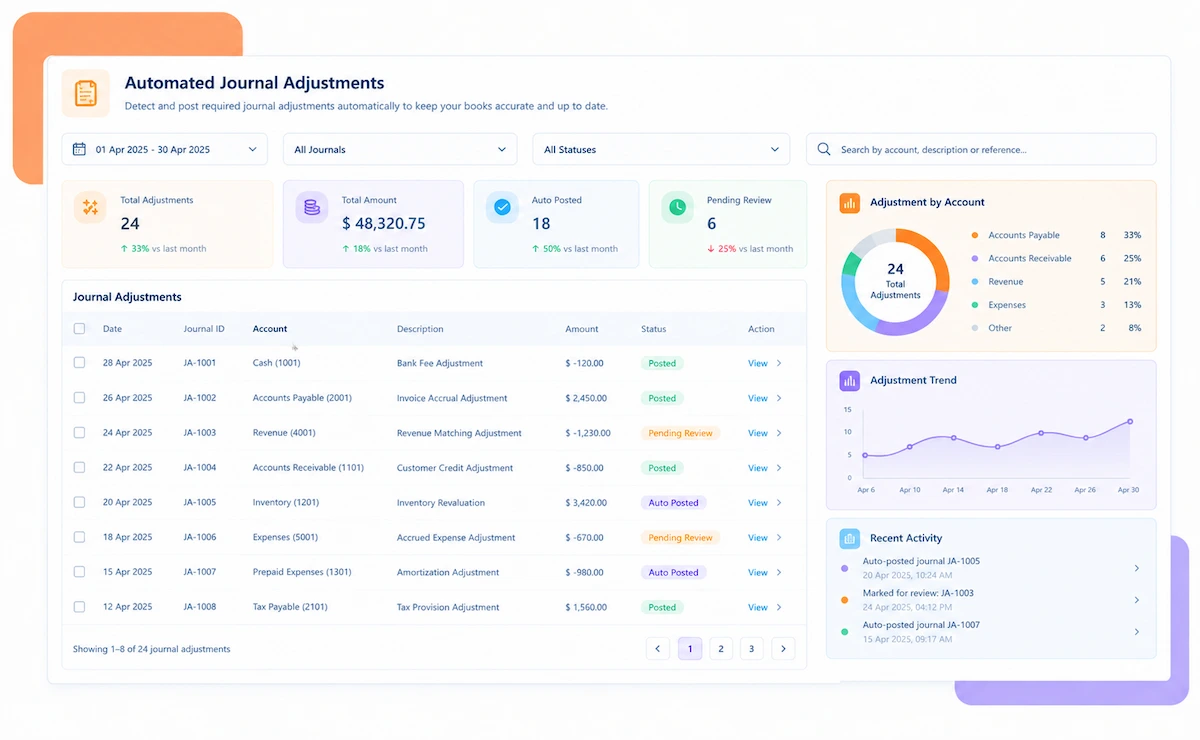
Kosh AI Securities Reconciliation Software Dashboard

A 2026 Securities Reconciliation Software

Still Chasing Settlement Breaks Across Spreadsheets Every Morning?

A trade that fails to settle, or a position that drifts from the custodian's record, only gets more expensive the longer it sits unresolved. Kosh AI matches trades, positions, and corporate actions against custodian and broker records automatically, so breaks get caught the same day instead of aging into a write-off.

What Securities Reconciliation Software Automates

Keeping the books aligned with custodians and brokers means checking trades, positions, cash, and corporate actions every settlement cycle.

How Kosh AI's Securities Reconciliation Software Works

Four steps that take a day's trade and custody data from arrival to a fully reconciled position.

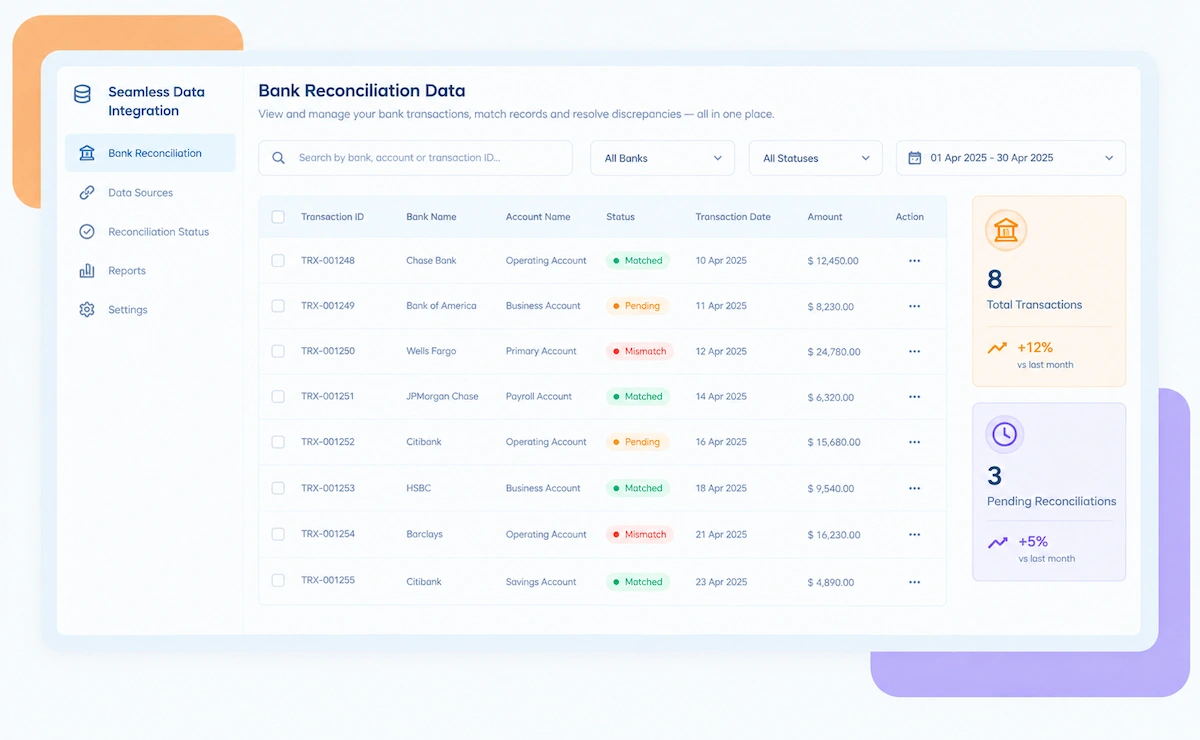
  • Trade blotters, custodian statements, and broker confirmations ingested automatically: SWIFT messages, FIX feeds, and flat files are all read regardless of source format.
  • Internal books connected from the portfolio system of record: Every incoming record is checked against what the books already show.
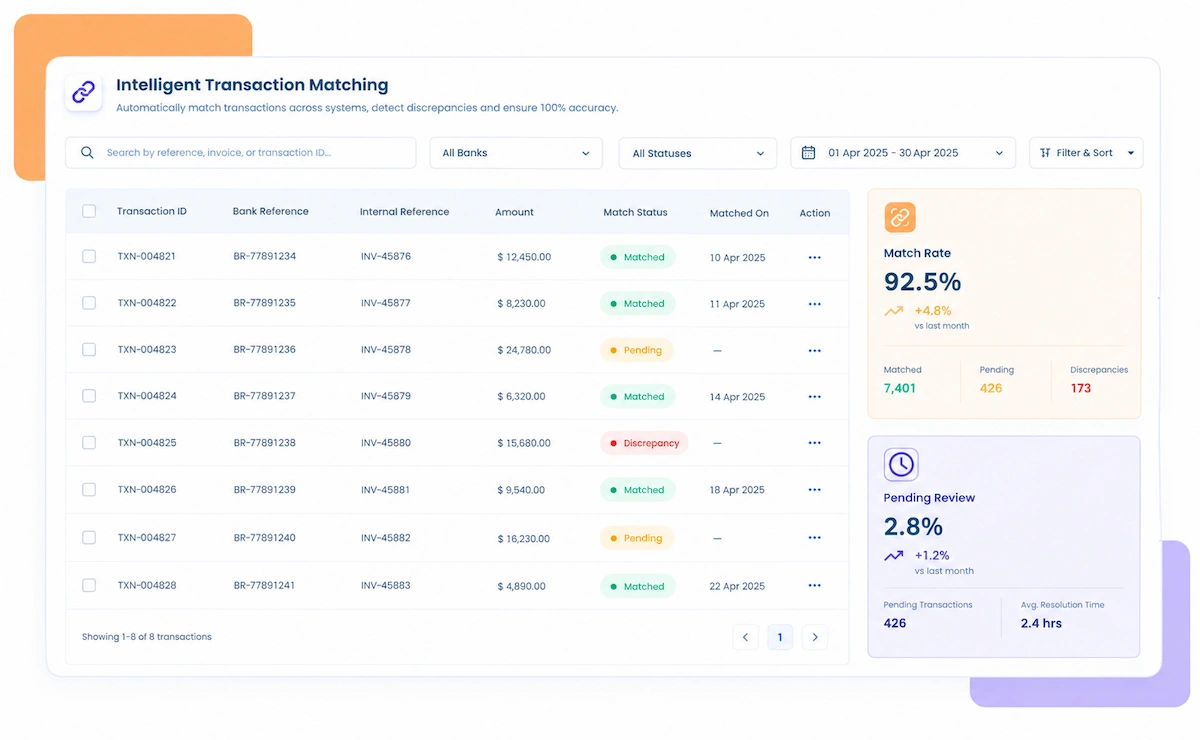
  • Trades matched against counterparty confirmations: Confirmation messages are checked against the booked settlement date the same day they arrive.
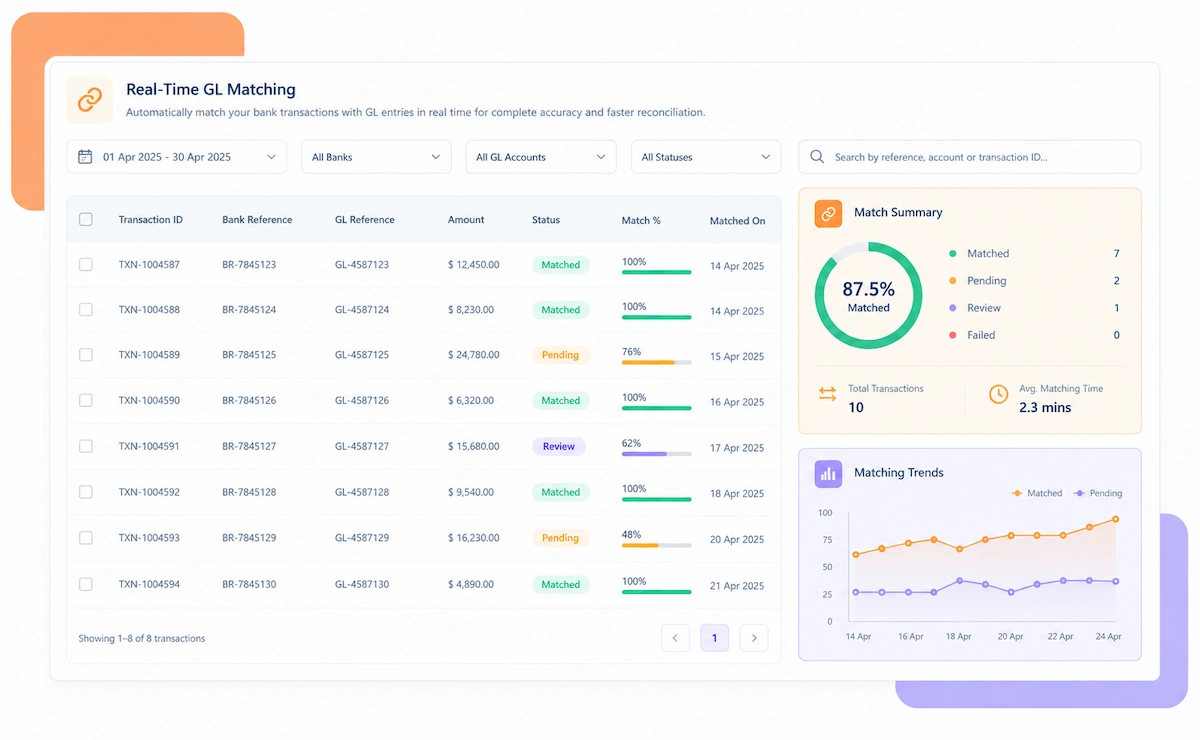
  • Positions and cash matched against custodian and broker records: Quantities, valuations, and settlement amounts are all checked together.
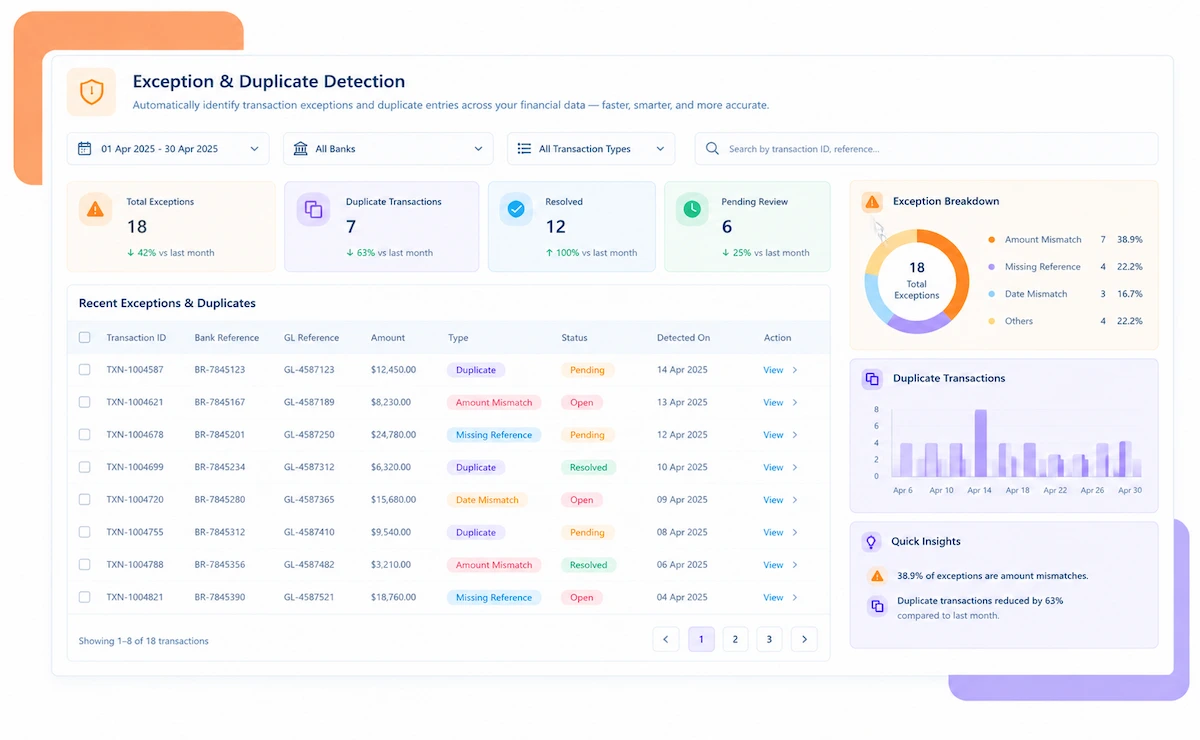
  • Breaks ranked by age and risk automatically: The oldest, most exposed breaks surface first instead of getting lost among newer ones.
  • Aged breaks escalated before they become write-offs: A threshold-based alert reaches the right analyst before the exposure grows.
  • Each break tracked to resolution with a recorded reason: Nothing closes out without an approver and an audit trail entry.
  • Corporate actions confirmed against custodian notifications: Entitlements and postings are checked before they affect valuation.

Securities Reconciliation Software Use Cases Across the Market

What securities reconciliation needs to cover changes with the type of firm and the asset classes it trades.

Broker-Dealers

Reconciling trades and settlement cash against clearing firms and counterparties daily.

Asset Managers

Matching positions and corporate actions against custodian records across multiple funds.

Custodian Banks

Confirming client holdings match the firm's own books across a large position count.

Operations & Settlements Teams

Catching settlement fails and position breaks before they age into a bigger problem.

Middle Office Analysts

Ranking and escalating breaks by risk instead of working through them in no particular order.

Risk & Compliance Teams

Getting a defensible, continuous audit trail for every break and write-off decision.

Equities & Fixed Income

High trade volumes where manual matching can't keep pace with the settlement cycle.

Derivatives

Positions and collateral that need matching against multiple counterparties at once.

Digital Assets

On-chain and custodian records that need reconciling against internal books on a different cadence.

Security and Audit Readiness Built Into Every Reconciliation

Access control icon

Role-Based Access

Analysts, approvers, and auditors each see only what their role needs, with every action attributed to a named user.

Encryption icon

Encrypted in Transit and at Rest

Custodian statements, broker confirmations, and trade data are encrypted end to end, matching the standards of the systems they come from.

Audit log icon

Immutable Audit Logging

Every match, break, escalation, and approval is logged automatically, with nothing editable after the fact.

Why Operations Teams Choose Kosh AI's Securities Reconciliation Software

1

Same-Day Break Detection

Trade, position, and cash breaks surface the day they occur, not days or weeks later.

2

Risk-Ranked Escalation

Breaks are ranked by age and exposure, so the riskiest ones get attention first.

3

Fewer Aged Write-Offs

Catching a break early means fewer exceptions ever reach write-off territory.

4

One Platform for Everything

Trade, position, cash, and corporate action reconciliation all run in the same place.

5

Audit-Ready by Default

A full trail of breaks, escalations, and resolutions is ready for risk and compliance review.

6

Scales With Volume

Adding counterparties or asset classes doesn't mean adding headcount to settlements.

With Kosh AI's Securities Reconciliation Software, You Can Achieve

85%Of Trade and Position Breaks Caught Same Day
70%Fewer Breaks Aging Past a Week
0Settlement Fails Missed Until Month-End

Integrate Seamlessly with Your Existing ERP Systems

Kosh AI connects directly with all major banks and ERPs, enabling real-time data sync for faster, more accurate reconciliations—no manual uploads, no delays.

What Is Securities Reconciliation Software?

Securities reconciliation software matches a firm's internal trade, position, cash, and corporate action records against the records held by custodians, clearing brokers, and counterparties. It's the check that confirms a trade actually settled as booked, and that a custodian's statement of holdings matches what the firm's own books say it owns.

Done manually, this means an operations analyst comparing a custodian statement line by line against the trade blotter, often across several counterparties that each send data in a different format and on a different schedule. A break that isn't caught quickly, whether it's a failed settlement or a position quantity that's slightly off, only gets more expensive to unwind the longer it sits.

Kosh AI's securities reconciliation software matches trades, positions, cash, and corporate actions against custodian and broker records automatically, ranks breaks by age and risk, and escalates the ones that need attention before they turn into a write-off.

What is securities reconciliation software

Manual vs. Automated Securities Reconciliation – Why Make the Switch?

Matching trades and positions by hand can work for a smaller book. See what changes as trade volume and counterparty count grow.

Feature Automated Securities Reconciliation Manual Securities Reconciliation
Trade MatchingConfirmed against counterparties the same settlement cycle.Checked against confirmations as they're received, often late.
Position MatchingReconciled against custodian records daily.Reviewed on whatever cycle staff can manage, often weekly.
Break RankingRanked by age and risk automatically.Worked through in whatever order they're discovered.
Corporate ActionsChecked against custodian notifications before posting.Verified after the fact, once a valuation already looks off.
EscalationAged breaks escalated automatically before a risk threshold.Depends on someone noticing a break has been sitting too long.
Audit TrailAssembled automatically as each break is resolved.Assembled manually before a risk or compliance review.

Why Operations Teams Are Automating Trade and Position Reconciliation

A few reasons securities reconciliation keeps moving away from spreadsheets:

  • A settlement fail caught the same day costs far less to unwind than one discovered a week later.
  • Position breaks that go unnoticed compound, since each day's trades layer on top of an already-wrong starting balance.
  • Ranking breaks by age and risk means analysts spend time on the exposures that matter, not just whichever break was found first.
  • A corporate action posted incorrectly can misstate a position's value for an entire reporting period if it isn't caught before valuation.
  • A continuous audit trail is far easier to produce for a risk or compliance review than one assembled after the fact.
Why operations teams automate securities reconciliation

Who Should Use Securities Reconciliation Software Like This

High volume icon

High Trade Volume

Firms where manual matching can't keep pace with daily settlement cycles and counterparty confirmations.

Multi-counterparty icon

Multiple Custodians & Brokers

Firms reconciling positions and cash across several counterparties, each with its own format and timing.

Rising exposure icon

Rising Aged-Break Exposure

Firms where unresolved breaks are starting to sit longer than they should before anyone catches them.

Rolling Out Securities Reconciliation Software

Most firms start with their highest-volume custodian or clearing broker, then expand from there.

  • Custodian statements and broker confirmations connected first: Whatever format they already arrive in, SWIFT, FIX, or flat files.
  • Internal trade blotter linked on the other side: No format standardization project required before reconciliation can start.
  • Trade and position matching goes live first: This is where most daily exceptions originate, so it delivers value fastest.
  • Breaks start surfacing and ranking automatically: Analysts see the benefit within the first reconciliation cycle.
  • Settlement cash reconciliation follows shortly after: Once trade and position matching is running reliably.
  • Corporate action matching layers in last: Dividends, splits, and mergers get checked against custodian notifications.
  • Additional custodians and brokers added incrementally: Each new counterparty connects without disrupting what's already running.
  • Most firms are fully rolled out within a few weeks: From the first connected custodian to full multi-counterparty coverage.

FAQs: Securities Reconciliation Software

What is securities reconciliation software?

It's software that matches a firm's internal trade, position, cash, and corporate action records against custodian, clearing broker, and counterparty records.

How does it handle settlement fails?

Trades are matched against counterparty confirmations the same settlement cycle, so a fail or partial settlement is flagged the day it happens rather than discovered later.

How are breaks prioritized?

Kosh AI ranks breaks by age and risk automatically, so analysts work on the oldest and most exposed exceptions first instead of whichever was found first.

Can it reconcile corporate actions?

Yes. Dividends, splits, and mergers are matched against custodian notifications, and entitlements are checked against the record date and held quantity.

Does it support multiple custodians and brokers?

Yes. Kosh AI reads custodian statements, broker confirmations, and trade blotters regardless of format, whether that's SWIFT messages, FIX feeds, or flat files.

Which markets and instruments does it work with?

Kosh AI covers equities, fixed income, derivatives, and digital assets, with position and corporate-action matching tailored to each asset type.

How does it help with risk and compliance reviews?

A continuous audit trail of breaks, escalations, and resolutions is maintained automatically, so the documentation a risk or compliance review needs is already in place.

How long does the rollout take?

Most firms see their first trade and position breaks reconciling automatically within a few weeks of connecting custodian and broker data.

Ready to Try Kosh AI's Securities Reconciliation Software?

Walk in with a settlement break that's been sitting unresolved. We'll show you how fast Kosh AI would have surfaced and ranked it.

Book a Demo

More Reconciliation Software From Kosh AI

Trade and position matching is one piece of the puzzle. Explore the rest of what Kosh AI reconciles.

1

Bank Reconciliation Software

2

Payment Gateway Reconciliation Software

3

Balance Sheet Reconciliation Software

4

Intercompany Reconciliation Software

5

Credit Card Reconciliation Software

6

Invoice Reconciliation Software

7

Cash Reconciliation Software