Match Every Card Transaction to Its Receipt and GL Code Automatically, Not at Month-End
Closing out a corporate card statement cleanly means matching spend, receipts, and coding at every step, not just at month-end.
Four steps that take a card transaction from swipe to a reconciled, ERP-posted entry.
What corporate card reconciliation needs to cover changes with company size and card program structure.
Closing the card portion of month-end in days instead of the better part of two weeks.
Reconciling thousands of cardholder transactions across departments and cost centers.
Scaling a card program without scaling the headcount needed to reconcile it.
Reviewing only the exceptions instead of coding and matching every transaction by hand.
Resolving their own missing receipts and policy flags instead of getting chased by email.
Getting a card statement that closes on time with a clean audit trail attached.
A single issuer relationship with transactions spread across many cardholders.
Card spend tied more closely to vendor purchases than travel and expense.
Card activity that needs reconciling separately across several legal entities or regions.
Digital capture at the point of sale means AP spends almost no time tracking down missing receipts.
Coding applied from merchant and cardholder data is far more consistent than rushed month-end coding.
The card portion of month-end becomes a confirmation step instead of a data assembly exercise.
Violations surface the day they happen, giving cardholders a chance to explain before it's a bigger issue.
What's matched and coded flows into the ERP without anyone re-keying it.
Adding cardholders or entities doesn't mean adding headcount to reconcile them.
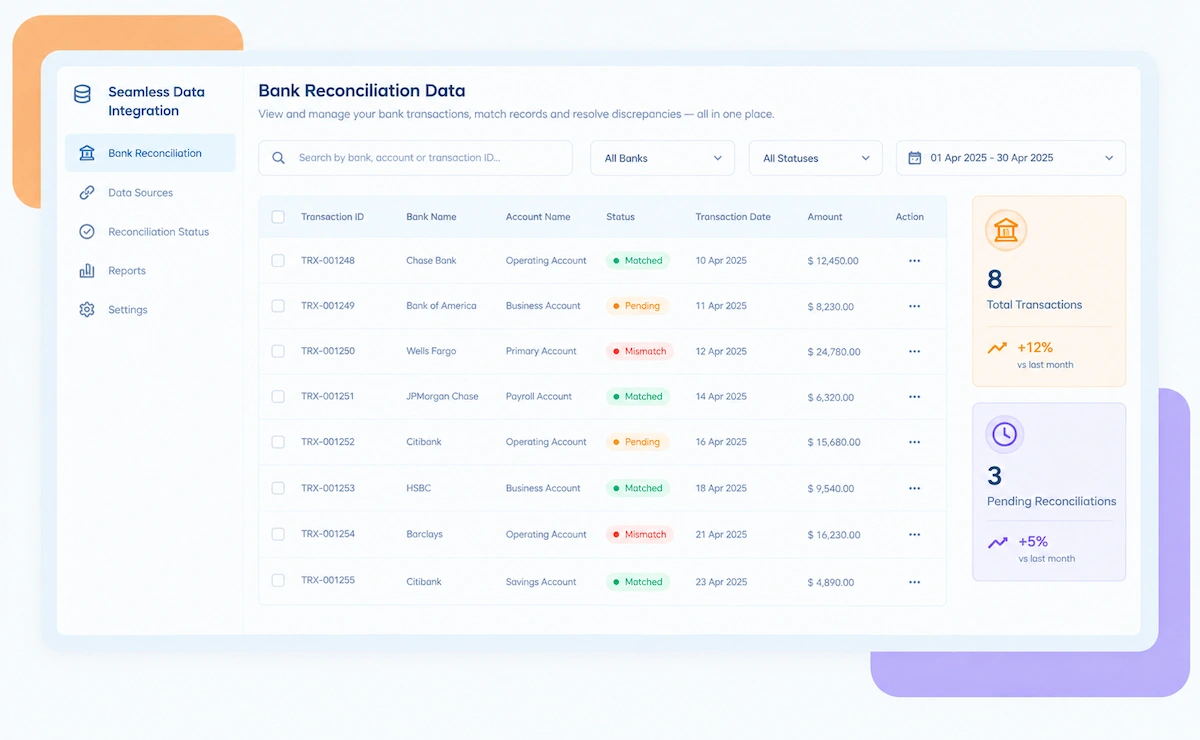
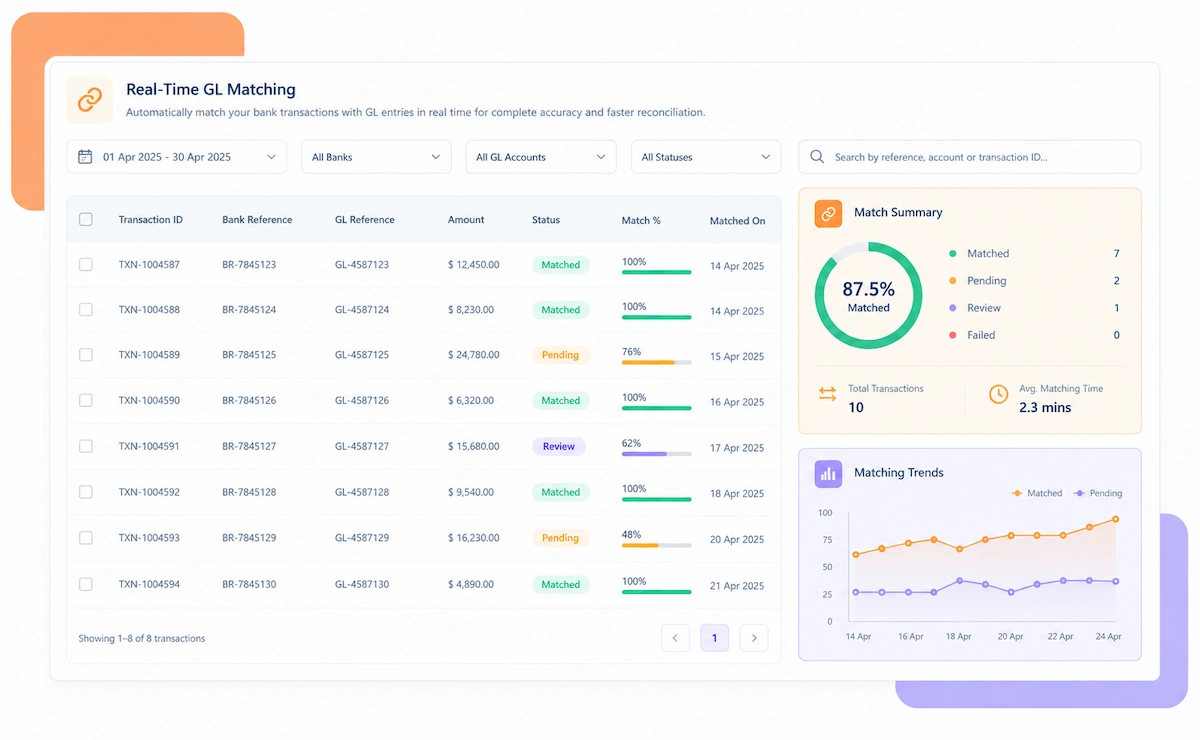
Kosh AI connects directly with all major banks and ERPs, enabling real-time data sync for faster, more accurate reconciliations—no manual uploads, no delays.


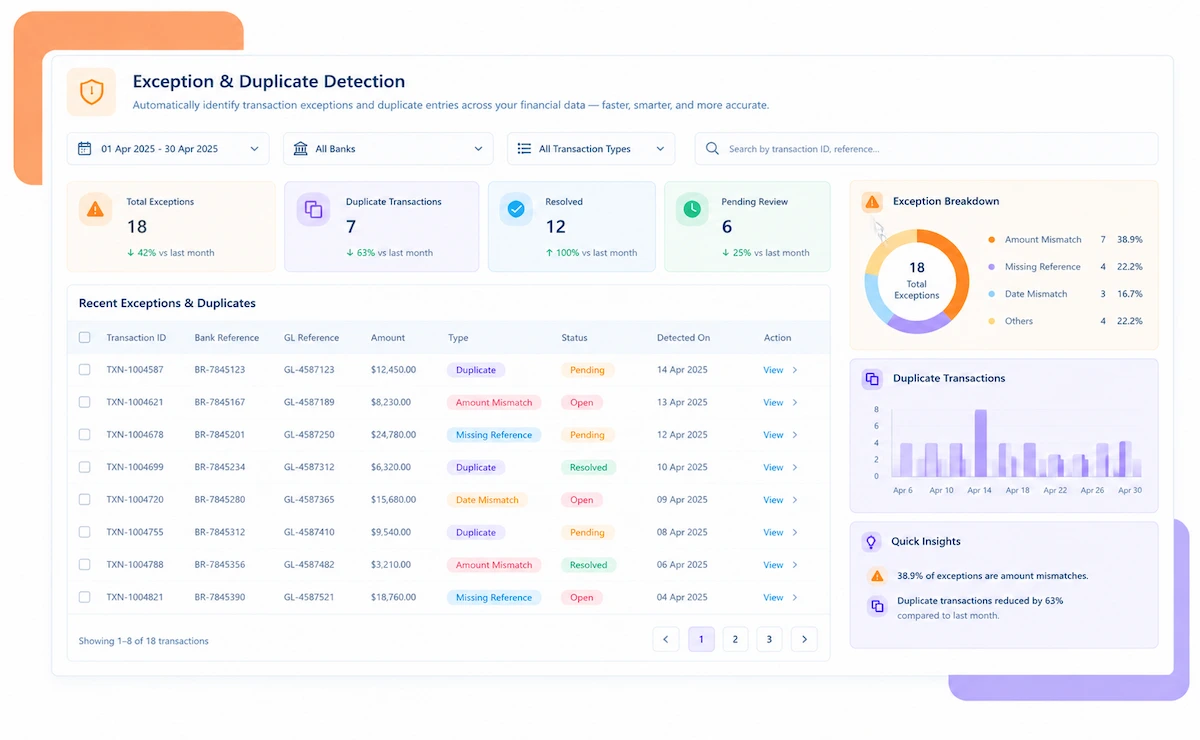
Spotting a real policy violation or coding error takes more than matching a transaction to a receipt. Kosh AI understands which charges fit the pattern and which ones need a closer look.
Learns which merchants and cardholders map to which cost centers, catching a coding rule that doesn't fit instead of applying it blindly.
Flags a personal charge or an out-of-policy purchase the day it posts, not once AP finally reviews the statement.
Spots which cardholders or merchant categories keep generating the same exception, surfacing the pattern instead of one transaction at a time.
Builds the match, receipt, and approval record as reconciliation happens, ready for the next audit or expense review.
Corporate card reconciliation software checks every card transaction, whether it's corporate card spend, procurement card purchases, or merchant settlements, against its supporting receipt, GL coding, and policy rules, confirming the amount is correct before the books close.
Done manually, this means AP pulling data from the card issuer and matching it to receipts and GL codes by hand, usually at month-end once the statement finally arrives. The issuer statement, employee receipts, and GL coding all live in separate systems with different owners and different timing, which is exactly why they tend to collide in a controller's spreadsheet only once a month, under deadline pressure.
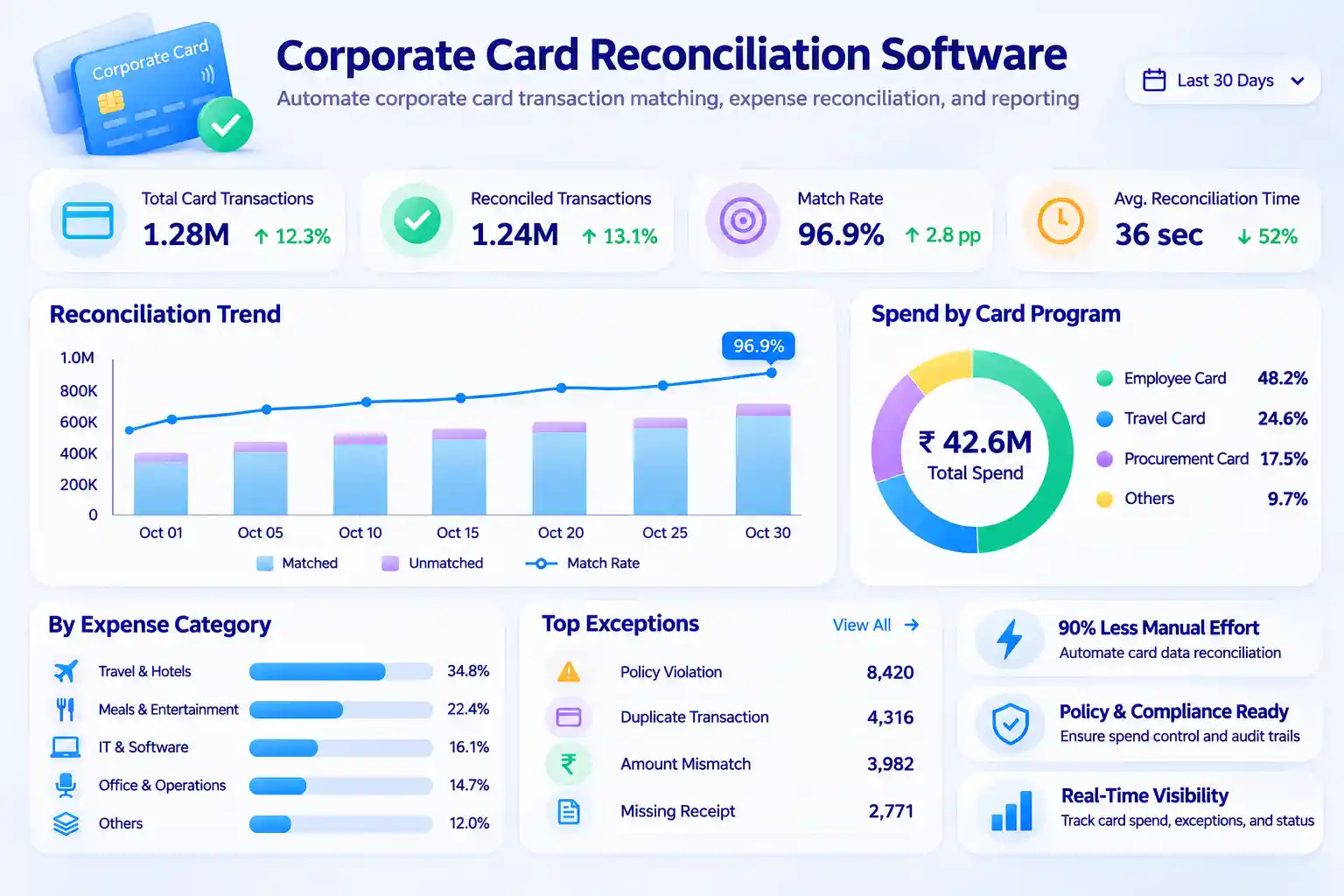
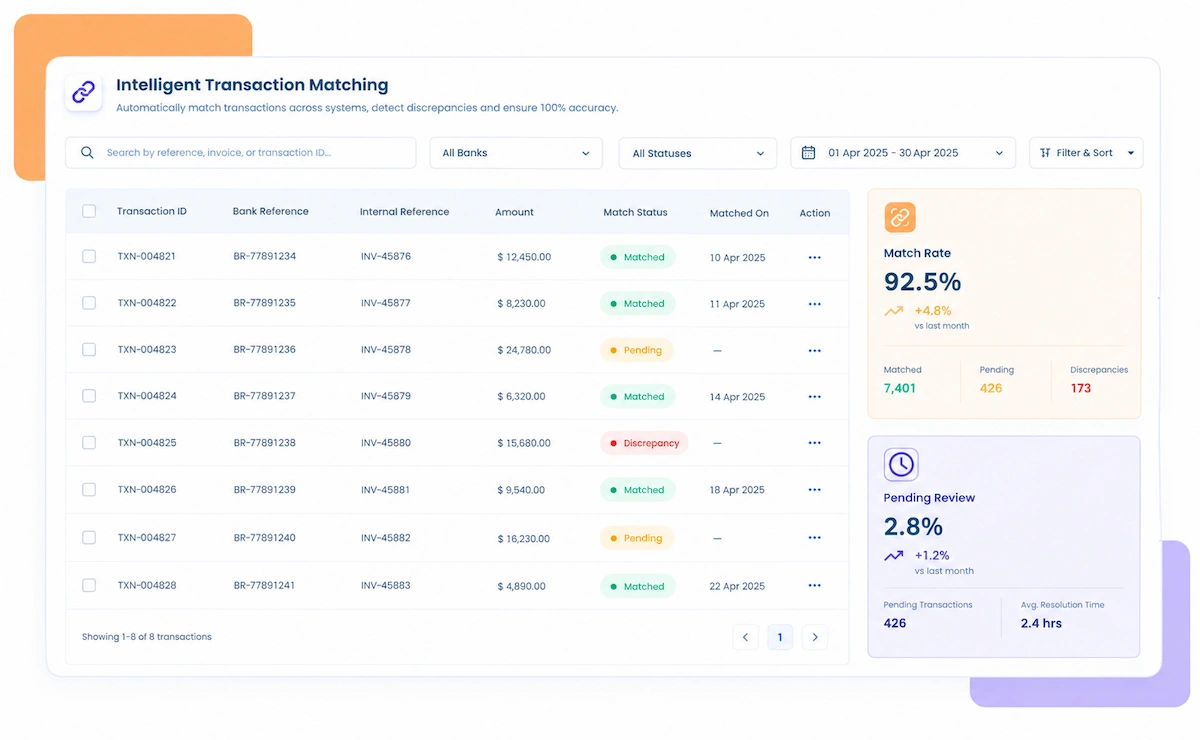
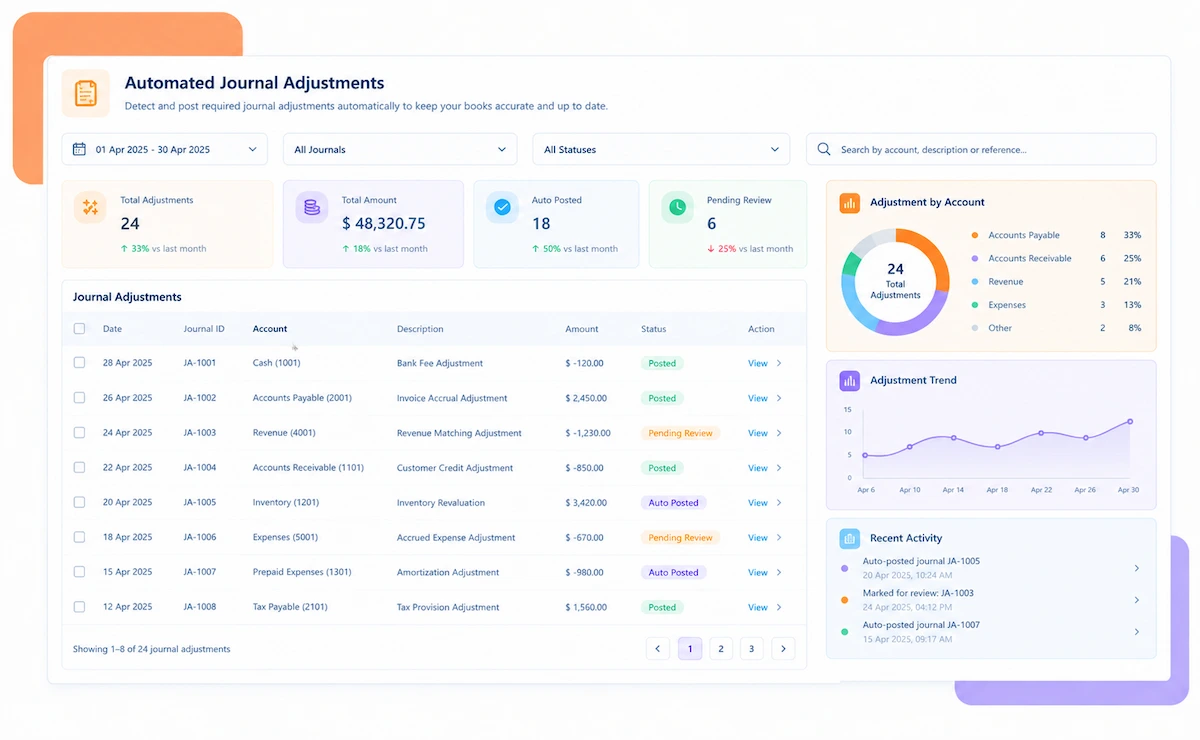
Kosh AI's corporate card reconciliation software matches transactions to receipts and applies GL coding as spend happens, flags missing receipts and policy exceptions immediately, and posts reconciled entries straight into the ERP, so month-end becomes a confirmation step instead of a data assembly exercise.

Matching card statements to receipts by hand can work for a small card program. See what changes as cardholders and spend grow.
| Feature | Automated Corporate Card Reconciliation | Manual Corporate Card Reconciliation |
|---|---|---|
| Receipt Matching | Matched to transactions automatically as both arrive. | Chased down by email and matched by hand at month-end. |
| GL Coding | Applied from merchant and cardholder data automatically. | Coded by AP at month-end with little purchase context. |
| Policy Checks | Flagged the day a transaction posts. | Reviewed only once the full statement is checked. |
| ERP Posting | Flows straight through once a transaction is matched. | Entered manually, often duplicated across systems. |
| Statement Close | Just a check against figures that are already settled. | A data assembly exercise that takes days to weeks. |
| Audit Trail | Logged automatically as each transaction clears. | Pieced together from memory once an auditor comes asking. |
A few reasons the card statement stops being a month-end fire drill:

Companies where manual matching can't keep pace with transactions from dozens or hundreds of cardholders.
Teams spending real time every month chasing employees for receipts that should have been captured already.
Companies where the card portion of month-end regularly runs past where the rest of the close has already finished.
A few habits keep corporate card reconciliation fast and clean as a card program grows.
A receipt captured the moment a purchase happens is far less likely to go missing than one tracked down weeks later.

Coding that uses merchant and cardholder data catches more correct codes than a generic default rule applied blindly.

A cardholder can explain a flagged charge the same day far more easily than a month after the fact.
A record built as reconciliation happens holds up far better under audit than one reconstructed after the fact.
Bring last month's card statement and its stack of missing receipts to the call. We'll show you how Kosh AI would have matched it automatically.
Book a Demo