Cost Value Reconciliation Software Built for Contractors and Commercial Teams

Match Cost Ledger Entries Against the Value of Work Completed, Project by Project

  • Actual Cost Matched Against Valuations and Applications for Payment
  • Work-in-Progress Tracked Against Budget Without a Manual Spreadsheet Rebuild
  • Margin Erosion Flagged the Period It Starts, Not at Project Close
  • A CVR Report Ready for Commercial Review Every Month
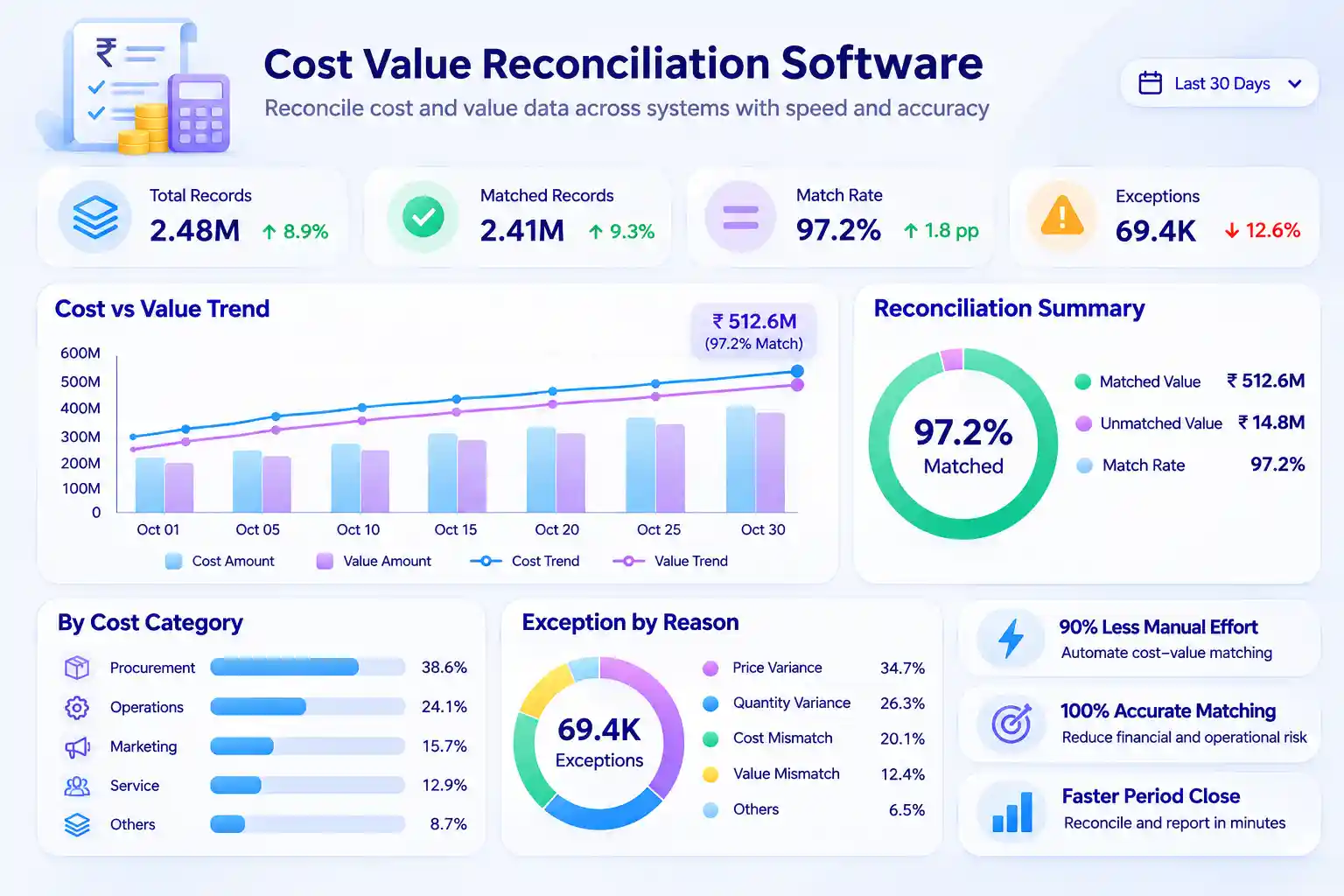
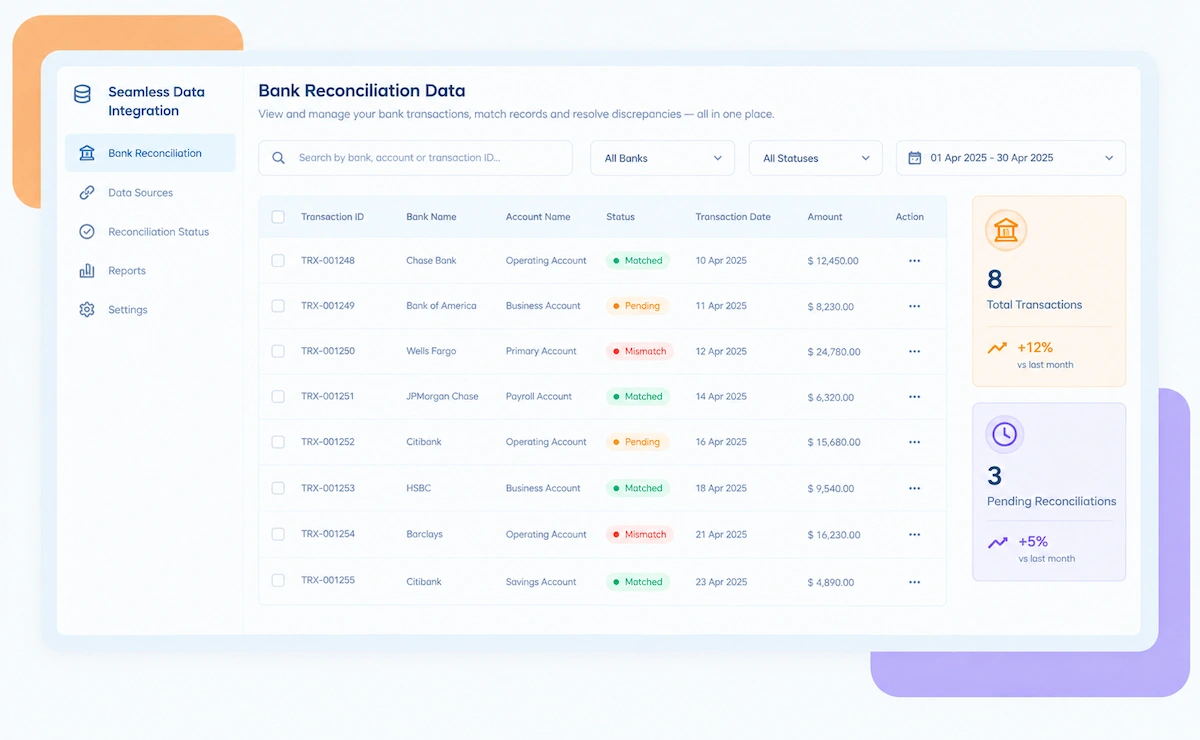
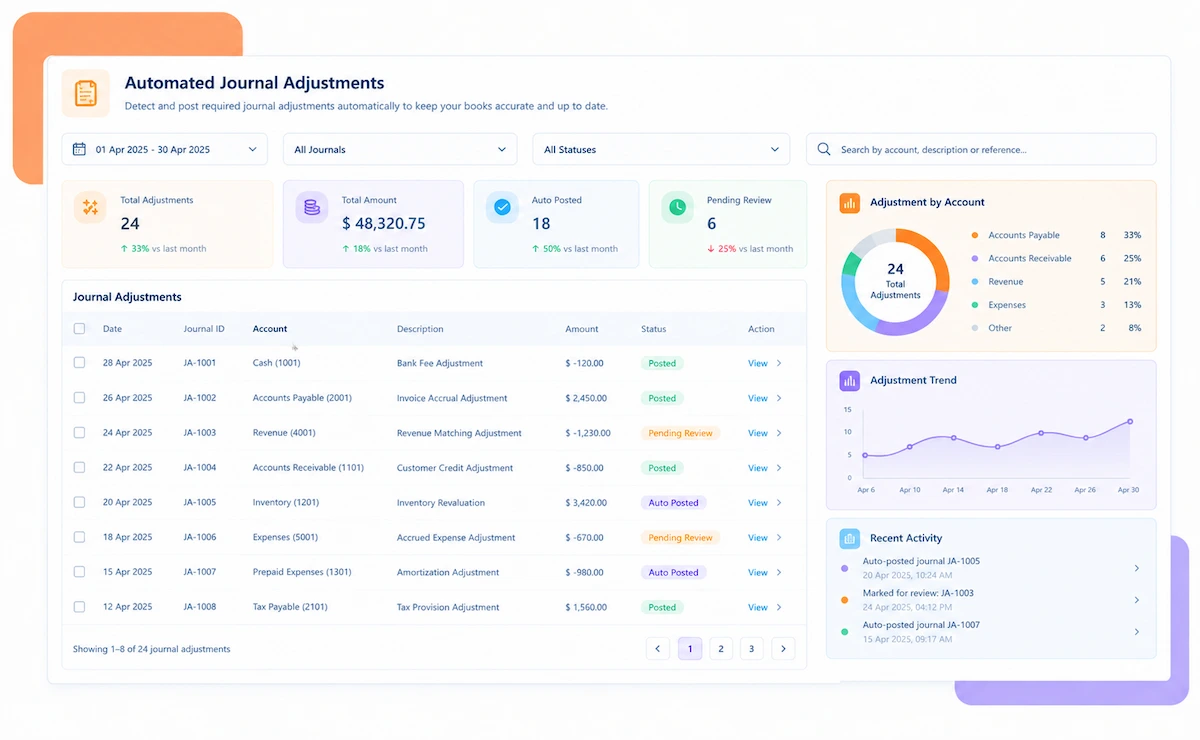
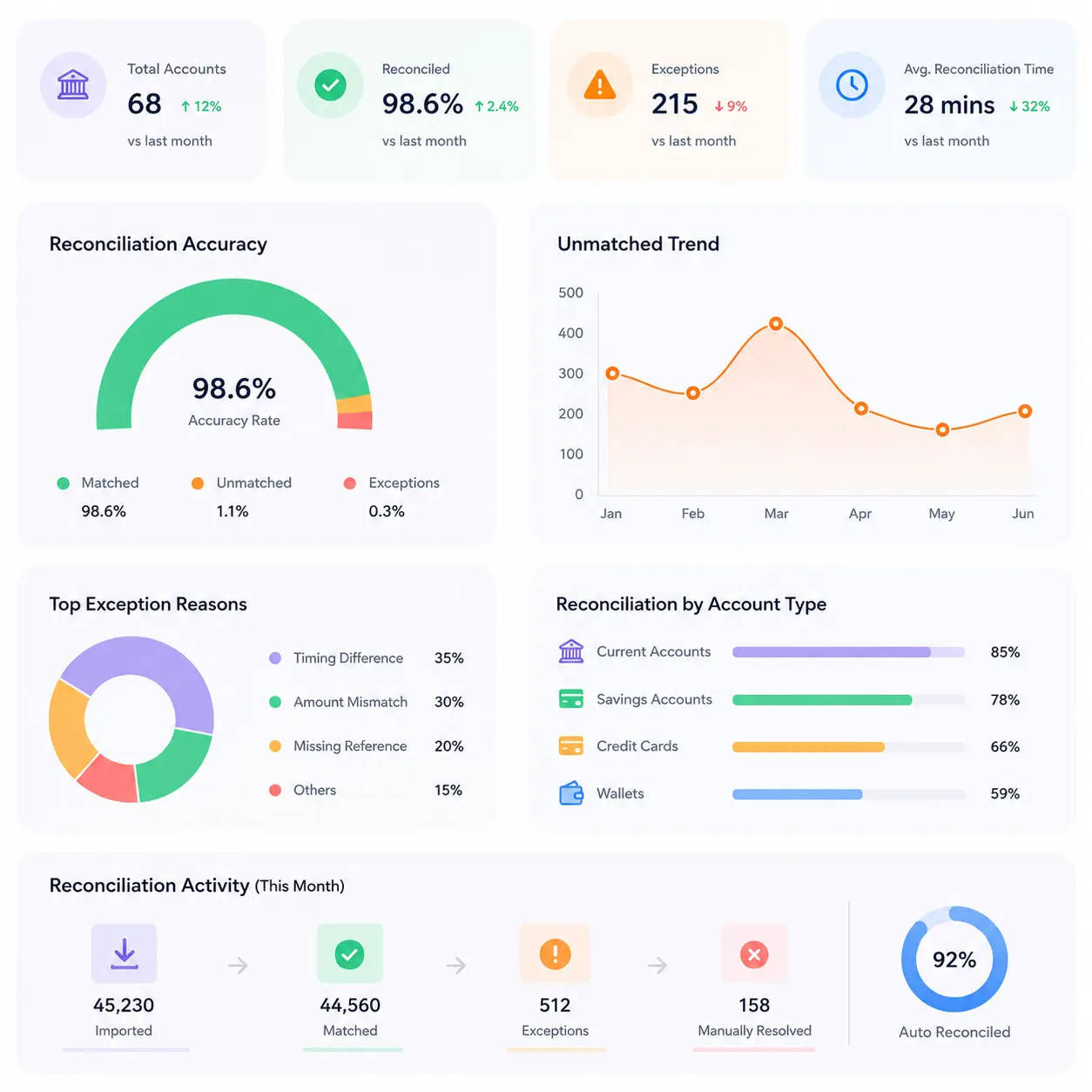
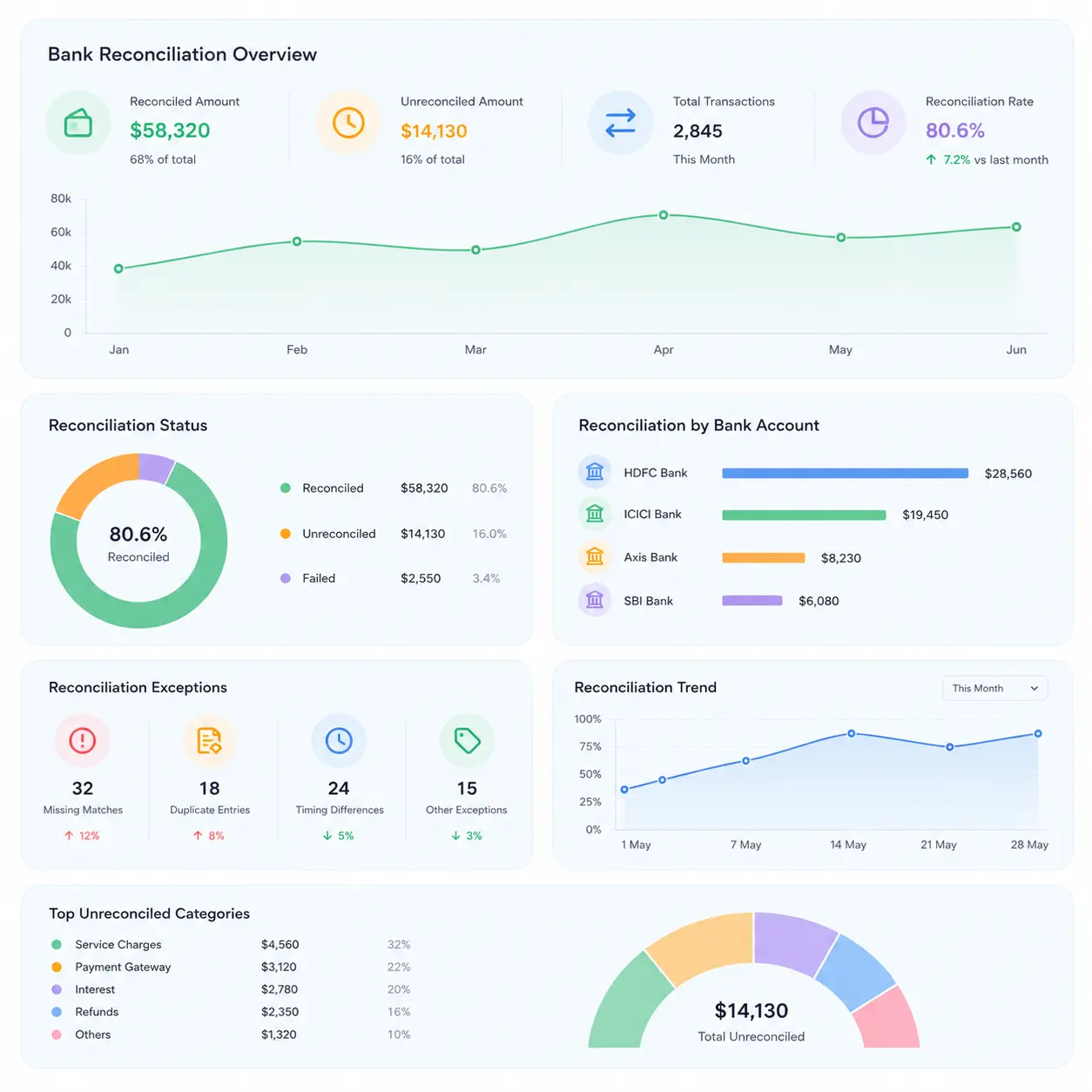
Kosh AI Cost Value Reconciliation Software Dashboard

A 2026 Cost Value Reconciliation Software

Still Rebuilding Your CVR Report From Scratch Every Month?

By the time a cost value reconciliation report is pulled together from separate cost ledgers, valuations, and change orders, the numbers it's built on are already a few weeks old. Kosh AI matches cost against value as the data arrives, so a quantity surveyor sees margin erosion the period it starts, not once the project is already behind.

What Cost Value Reconciliation Software Automates

Producing an accurate CVR report means checking cost, valuation, and change data against the budget every single period.

How Kosh AI's Cost Value Reconciliation Software Works

Four steps that take a project's cost and valuation data from raw entries to a reconciled CVR report.

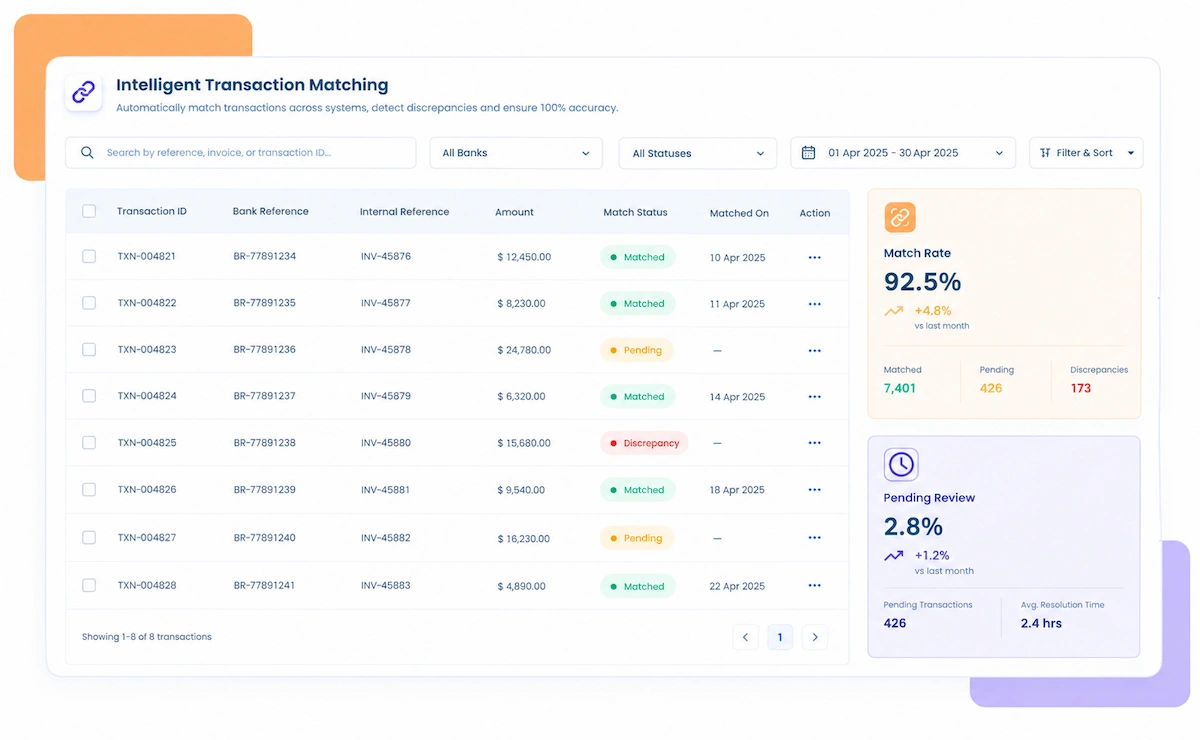
  • Cost ledgers, valuations, and change orders pulled in automatically: ERP exports, subcontractor invoices, and valuation certificates are all read regardless of format.
  • Project budgets connected on the other side: Every incoming entry is checked against the project's own cost plan.
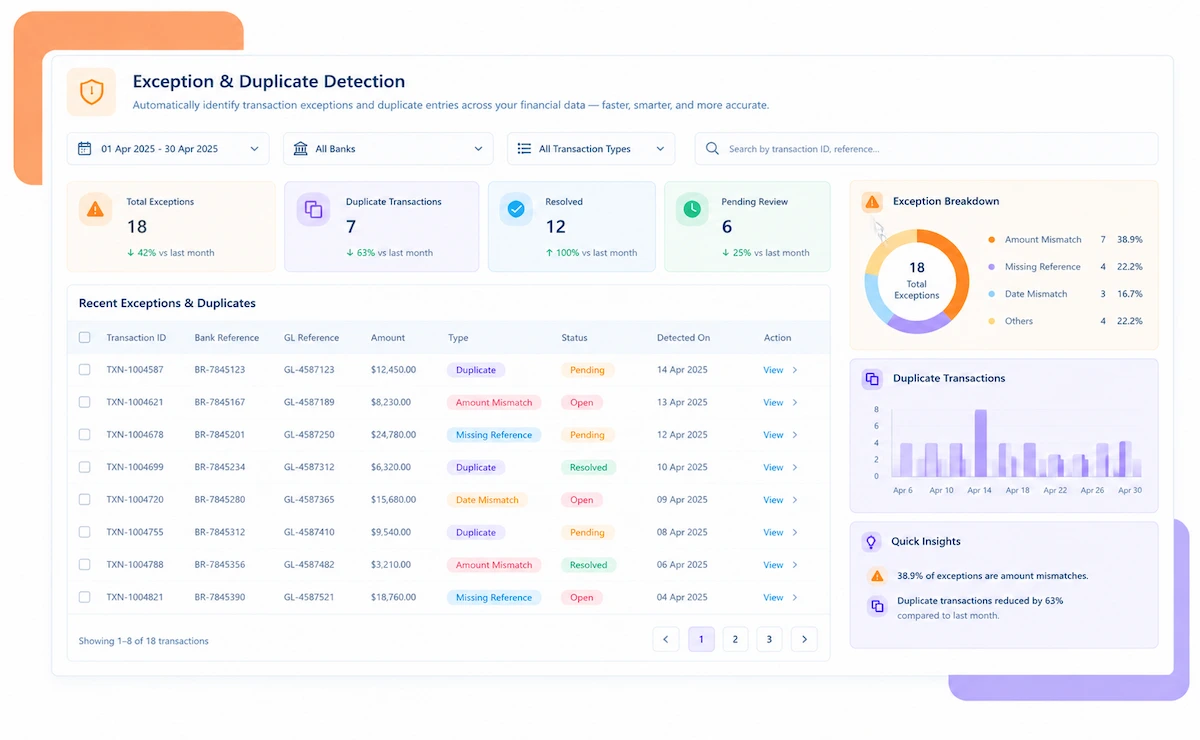
  • Actual cost matched against budgeted line items: Miscoded and duplicate entries are flagged before they skew the report.
  • Valuations matched against measured and certified work: Retention and contra charges are tracked separately from the gross figure.
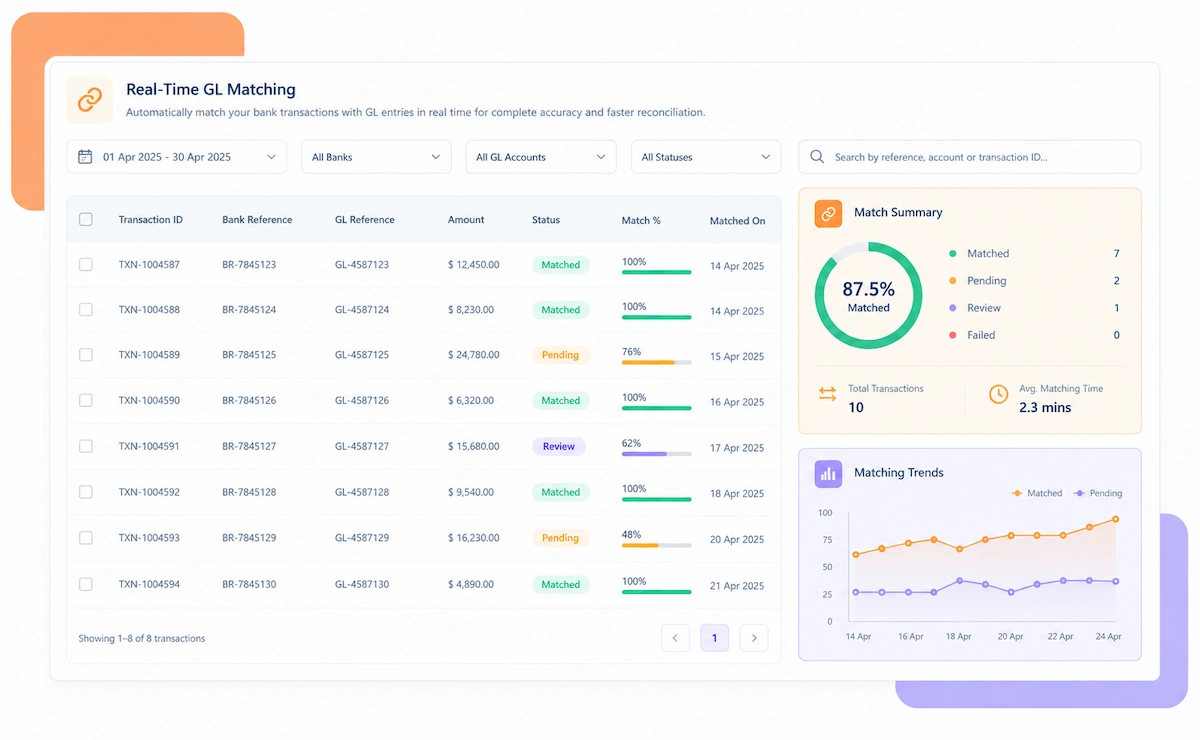
  • Work-in-progress reconciled against budget continuously: The commercial team isn't working from a position that's weeks out of date.
  • Variations matched against their agreed or provisional value: Unpriced changes don't get lost before the next valuation cycle.
  • The CVR report builds itself from already-reconciled data: No last-minute scramble pulling cost, value, and change data into one spreadsheet.
  • Margin variances come with a recorded root cause: Project managers and stakeholders see why the margin moved, not just that it did.

Cost Value Reconciliation Software Use Cases Across Construction

What a CVR process needs to cover changes with the type of contractor and project.

Main Contractors

Reconciling cost and value across multiple subcontract packages on a single project.

Subcontractors

Matching their own cost ledger against valuations certified by the main contractor.

Multi-Project Contractors

Running CVR across several live projects at once without a separate spreadsheet for each.

Quantity Surveyors

Producing an accurate CVR report every period without rebuilding it from scratch.

Commercial Managers

Spotting margin erosion the period it starts instead of at project close.

Finance Directors

Getting a reliable WIP position across the whole project portfolio.

Fixed-Price Contracts

Projects where margin erosion is hardest to see until cost has already overrun.

Projects With Heavy Variations

Contracts where change orders and unpriced work are a regular source of disputed value.

Growing Contractors

Businesses where manual CVR has stopped scaling with the number of live projects.

Why Contractors Choose Kosh AI's Cost Value Reconciliation Software

1

Faster CVR Reporting

The CVR report builds itself from already-reconciled data instead of a month-end spreadsheet exercise.

2

Earlier Margin Visibility

Margin erosion is flagged the period it starts, not discovered at project close.

3

Fewer Miscoded Costs

Costs are checked against the budget automatically, catching miscoding before it skews the report.

4

Real-Time WIP

Work-in-progress stays current instead of being only as fresh as the last manual update.

5

Clear Variation Tracking

Unpriced changes are tracked so they don't get lost or disputed at the next valuation.

6

Scales Across Projects

Running CVR on more live projects doesn't mean adding a quantity surveyor for each one.

With Kosh AI's Cost Value Reconciliation Software, You Can Achieve

80%Of Cost Entries Matched to Budget Automatically
55%Faster CVR Reporting Cycle
0Projects Flying Blind on Margin Between Reports

Integrate Seamlessly with Your Existing ERP Systems

Kosh AI connects directly with all major banks and ERPs, enabling real-time data sync for faster, more accurate reconciliations—no manual uploads, no delays.

Smarter Cost Value Reconciliation Starts with AI

Spotting real margin erosion takes more than comparing cost to budget at month-end. Kosh AI understands which variances are normal project noise and which ones need a commercial manager's attention.

Variance classification icon

Margin Variance Classification

Sorts a cost or value variance into overrun, undervaluation, or pricing change before anyone opens a report.

Pattern learning icon

Recurring Variance Pattern Learning

Learns which cost codes and subcontract packages keep generating the same type of variance, surfacing the pattern instead of one line at a time.

Period aware icon

Period-Aware Matching

Matches on the project's own reporting cycle, whether that's monthly or more frequent, instead of forcing every project onto the same cadence.

Audit trail icon

Continuous Audit Trail

Builds the adjustment and sign-off record as reconciliation happens, ready for the next commercial or finance review.

What Is Cost Value Reconciliation (CVR) Software?

Cost value reconciliation, usually shortened to CVR, is a financial tracking method used across the construction industry to compare a project's actual cost against the value of work completed, profit included, to reach a bottom-line figure much like a company balance sheet. CVR software automates the matching that sits underneath that report: cost ledger entries, valuations, applications for payment, and change orders checked against the project budget every period.

Produced manually, a CVR report means a quantity surveyor or commercial manager pulling cost data from the ERP, valuation data from applications for payment, and change order data from wherever it's tracked, then reconciling all of it in a spreadsheet, usually once a month. By the time that report is finished, the underlying numbers are already a few weeks old, and a margin problem that started earlier in the period isn't visible until it's already compounded.

Kosh AI's cost value reconciliation software matches cost, value, and change data against the project budget as it arrives, classifies margin variances by root cause, and keeps the CVR report current instead of rebuilt from scratch each period, so commercial teams see margin erosion while there's still time to act on it.

What is cost value reconciliation software

Manual vs. Automated Cost Value Reconciliation – Why Make the Switch?

Building a CVR report in a spreadsheet can work for a single project. See what changes as the project count and complexity grow.

Feature Automated Cost Value Reconciliation Manual Cost Value Reconciliation
Cost MatchingChecked against budget as entries post.Reviewed once a month in a spreadsheet.

Valuation MatchingReconciled against measured work automatically.Compared manually against applications for payment.
WIP TrackingUpdated continuously.Only as current as the last manual rebuild.
Variation TrackingMatched against agreed or provisional value.Tracked separately, often lost before the next valuation.
Margin Variance DetectionFlagged the period it starts.Discovered at project close, once it's too late to act.
Audit TrailCaptured automatically as the CVR data reconciles.Assembled manually before a commercial or finance review.

Why Contractors Are Automating Cost Value Reconciliation

A quantity surveyor building a CVR report by hand is pulling cost data from the ERP, valuation data from applications for payment, and change order data from wherever it happens to be tracked, then reconciling all of it in a spreadsheet once a month. Most of that effort doesn't go into the reconciliation itself, it goes into chasing down why a number doesn't match once it doesn't.

The real risk isn't the variance that's big and obvious. It's the small cost overrun or undervaluation that gets waved through under reporting-cycle pressure, or the unpriced variation that gets forgotten before the next valuation. A margin problem that isn't caught until project close is one that's already too late to fix.

Kosh AI reconciles cost, value, and change data against the project budget automatically, and classifies every margin variance by root cause as soon as it appears, so commercial teams spend their time acting on real margin risk instead of rebuilding the CVR report from scratch every period.

Why contractors automate cost value reconciliation

Who Needs Cost Value Reconciliation Software Like This

A few signs point to a contractor's CVR process outgrowing a manual, spreadsheet-based approach.

1

Growing Number of Live Projects

Contractors where manual CVR has stopped scaling with the number of projects running at once.

2

Heavy Change Order Activity

Projects where variations and unpriced work are a regular source of disputed margin.

3

Fixed-Price or Thin-Margin Contracts

Projects where a late-discovered cost overrun has the biggest impact on profitability.

4

Multiple Subcontract Packages

Main contractors reconciling cost and value across several subcontractors on the same project.

Rolling Out Cost Value Reconciliation Software

Most contractors start with their highest-value or highest-risk project, then expand across the portfolio.

  • ERP cost exports and valuation certificates connected first: Whatever format they already arrive in, no reformatting needed.
  • Project budgets linked on the other side: Every incoming entry is checked against the project's own cost plan.
  • Cost ledger matching goes live first: This is where miscoding and duplicate entries are caught fastest.
  • Valuations start matching against measured work: Commercial managers see the margin picture change within the very first period it runs.
  • Work-in-progress reconciliation follows shortly after: Once cost and valuation matching is running reliably.
  • Variation tracking layers in last: Change orders get matched against their agreed or provisional value.
  • Additional projects added incrementally: Each project joins without disturbing the reconciliation already running on the others.
  • The whole portfolio is usually covered inside a month: From the first connected project to full portfolio coverage.

FAQs: Cost Value Reconciliation Software

What is cost value reconciliation software?

It's software that automates the CVR process in construction, matching cost ledger entries, valuations, and change orders against the project budget to produce an accurate cost value reconciliation report.

What does a CVR report actually show?

A CVR report compares actual project cost against the value of work completed, including profit, to give a bottom-line view of a project's financial performance, similar to a balance sheet.

How often should CVR be produced?

Most contractors produce a CVR report monthly, though Kosh AI keeps the underlying data reconciled continuously so the report is never more than a snapshot of already-current figures.

Can it track variations and change orders?

Yes. Variations are matched against their agreed or provisional value, and unpriced changes are flagged so they don't get lost before the next valuation.

Does it replace my quantity surveyor?

No. It automates the data matching that underlies the CVR report, so quantity surveyors and commercial managers spend their time on judgment calls and margin decisions instead of manual reconciliation.

Can it handle multiple projects at once?

Yes. Kosh AI reconciles cost and value across as many live projects as a contractor is running, each against its own budget.

How does it help catch margin erosion early?

Margin variances are classified and flagged the period they start, instead of only becoming visible once a manual report is produced weeks later.

How long before a project's CVR data reconciles on its own?

Most contractors see their first project's CVR data reconciling automatically within a few weeks of connecting cost and valuation sources.

Ready to Try Kosh AI's Cost Value Reconciliation Software?

Bring a recent CVR report with an unexplained margin shift to the call. We'll show you how Kosh AI would have flagged it the period it started.

Book a Demo