Machine Learning Invoice Reconciliation Software That Gets Better at Matching Every Month, Not Just on Day One

Rule-Based Matching Stays Exactly as Smart as the Rules You Wrote. Kosh AI Learns From Every Exception Your Team Resolves

  • Matches Invoices to Purchase Orders and Goods Receipts Automatically
  • Learns From Manual Corrections Instead of Repeating the Same Mistakes
  • Groups Exceptions With Root-Cause Suggestions, Not Just a Red Flag
  • Auto-Approves Clean Invoices Within Tolerances You Control
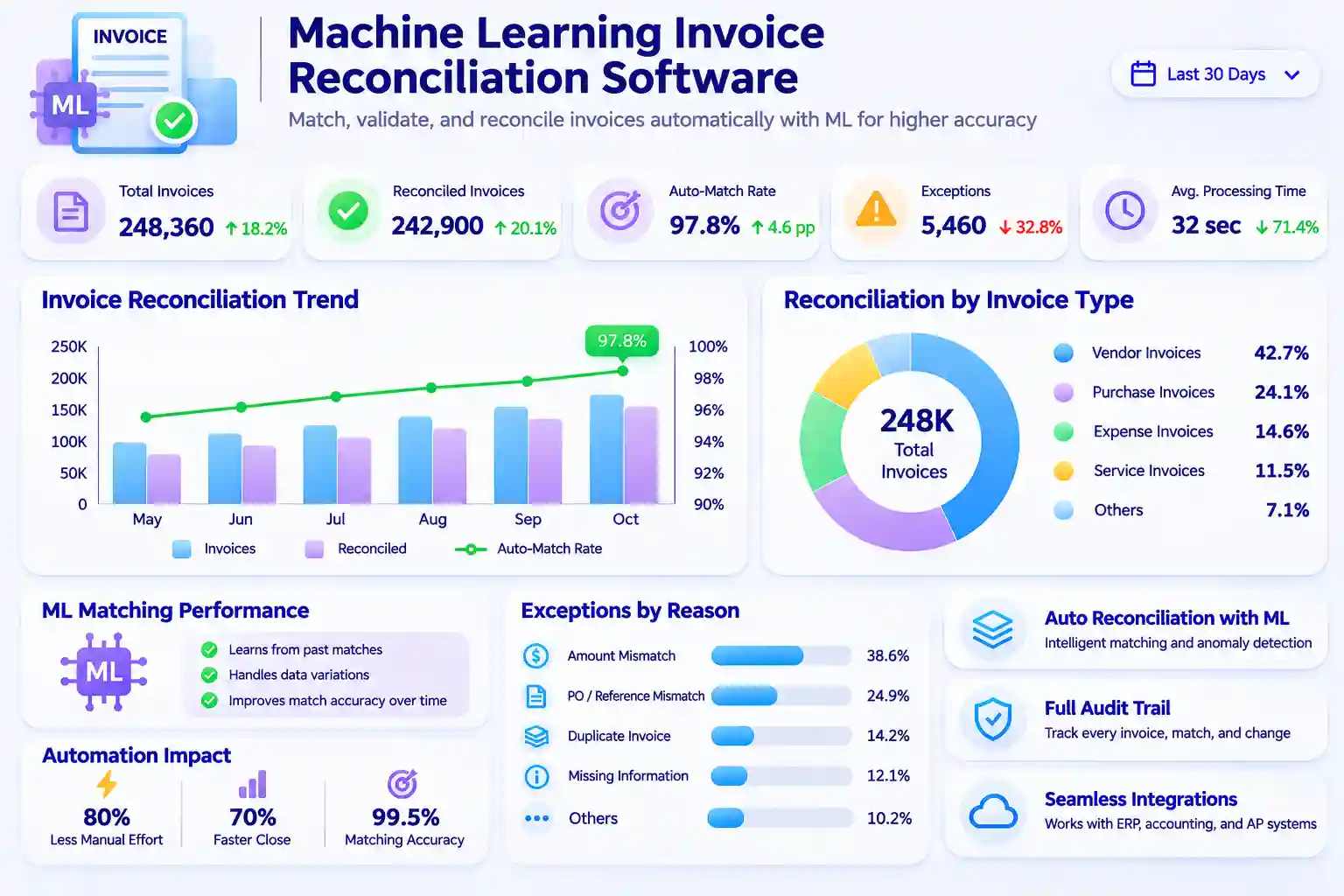
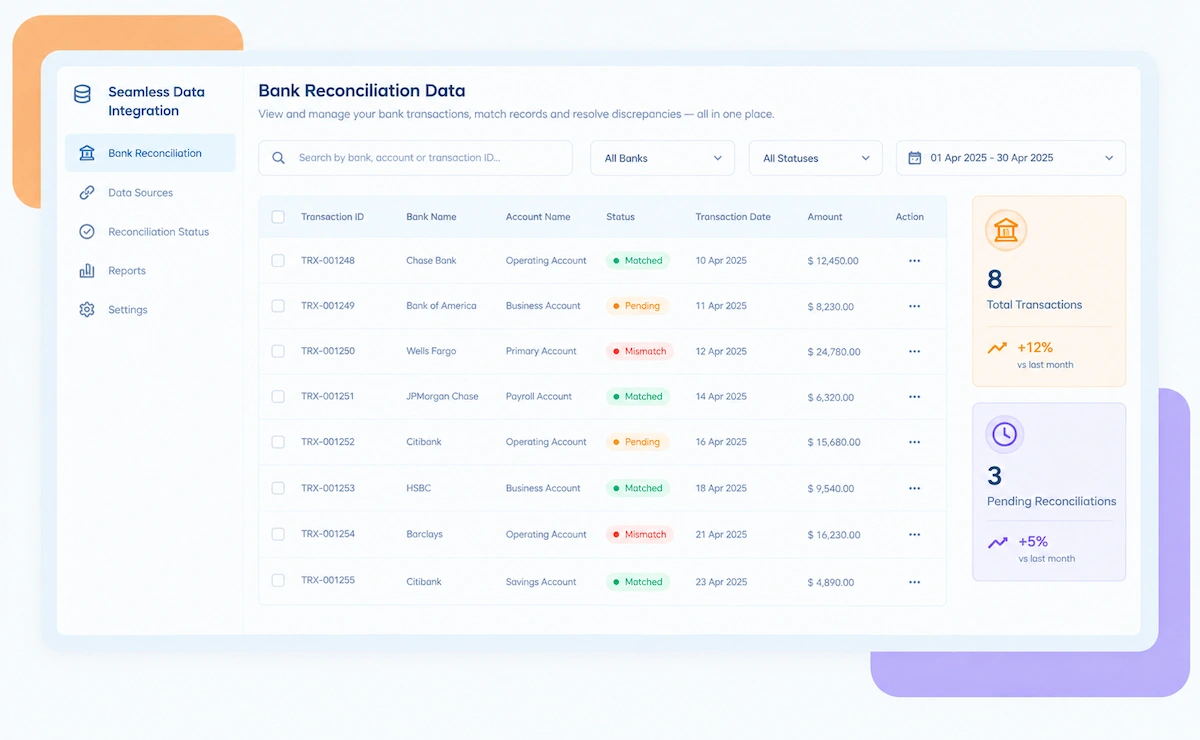
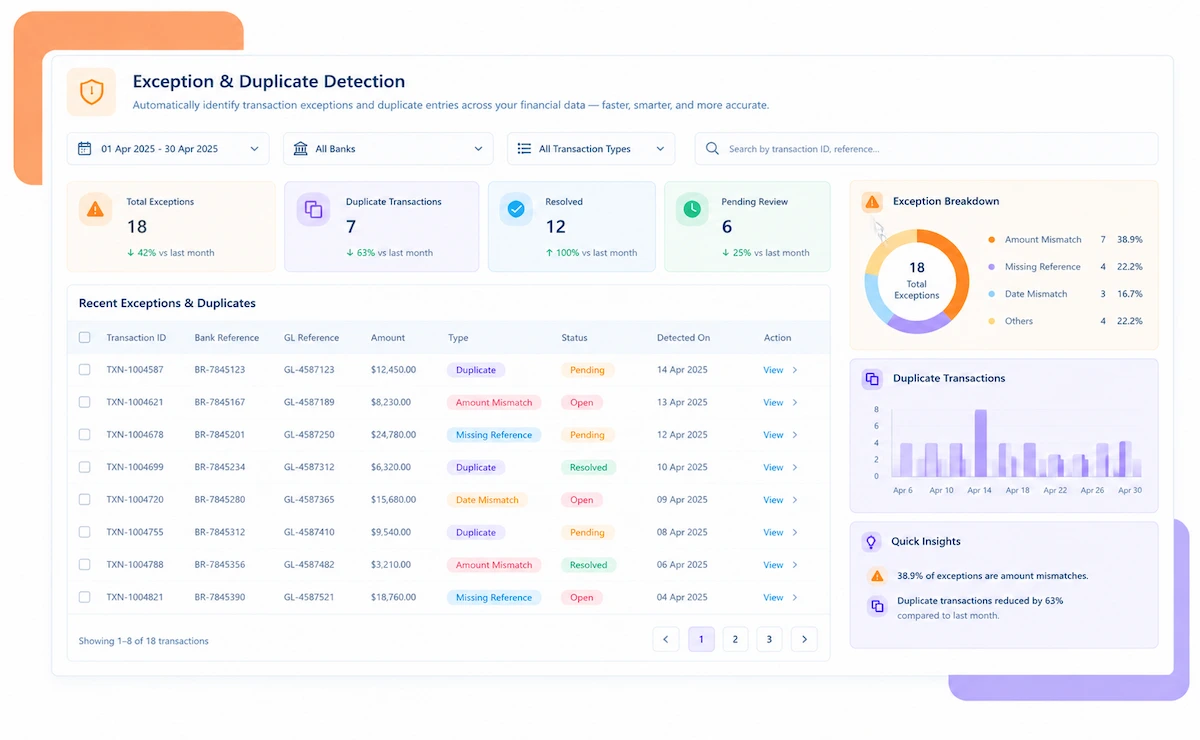
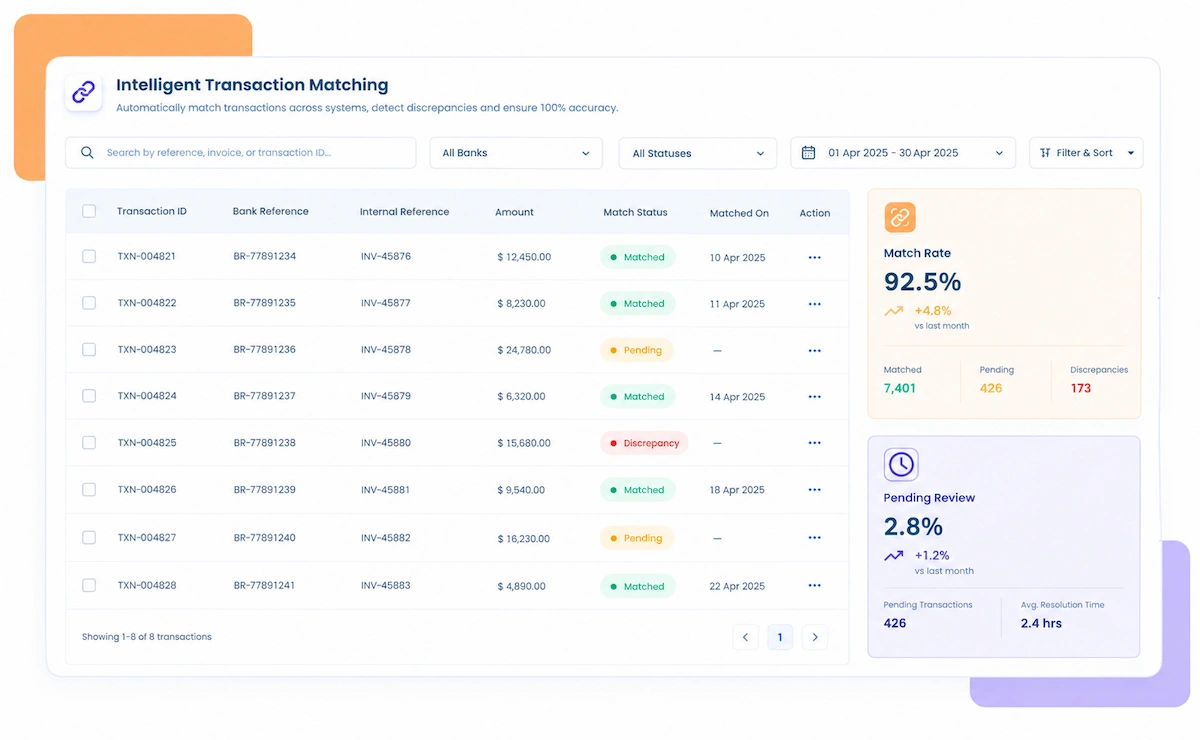
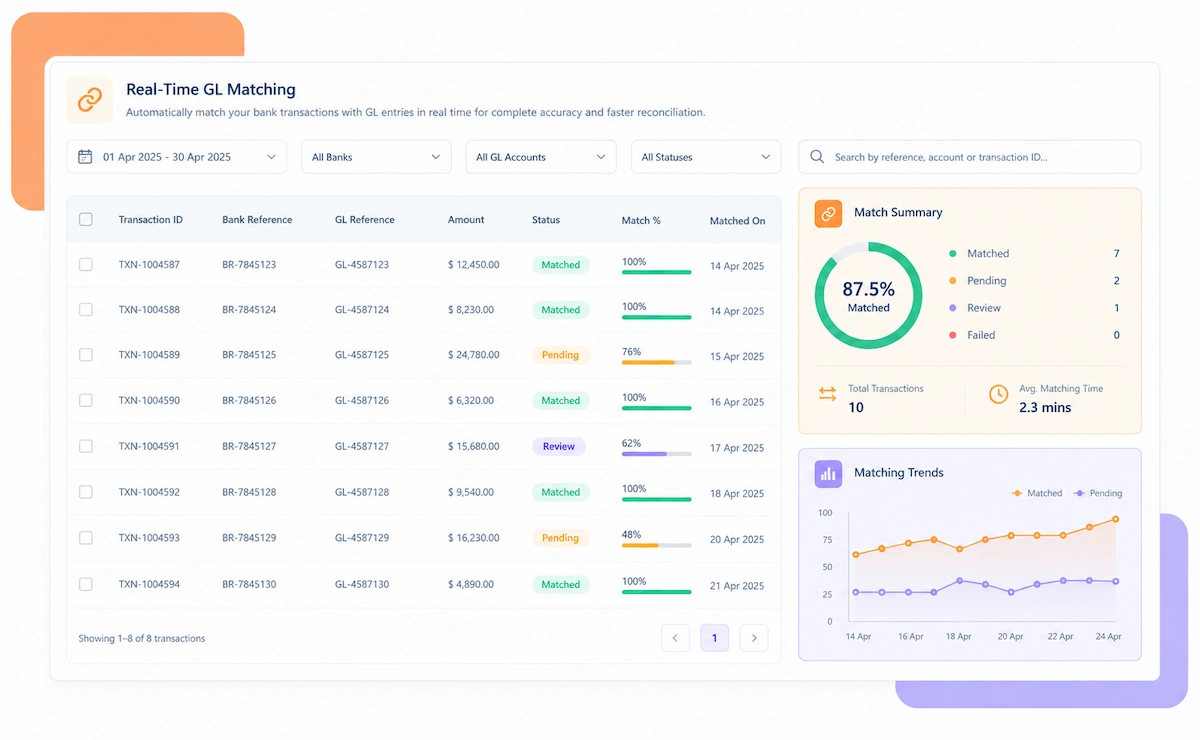
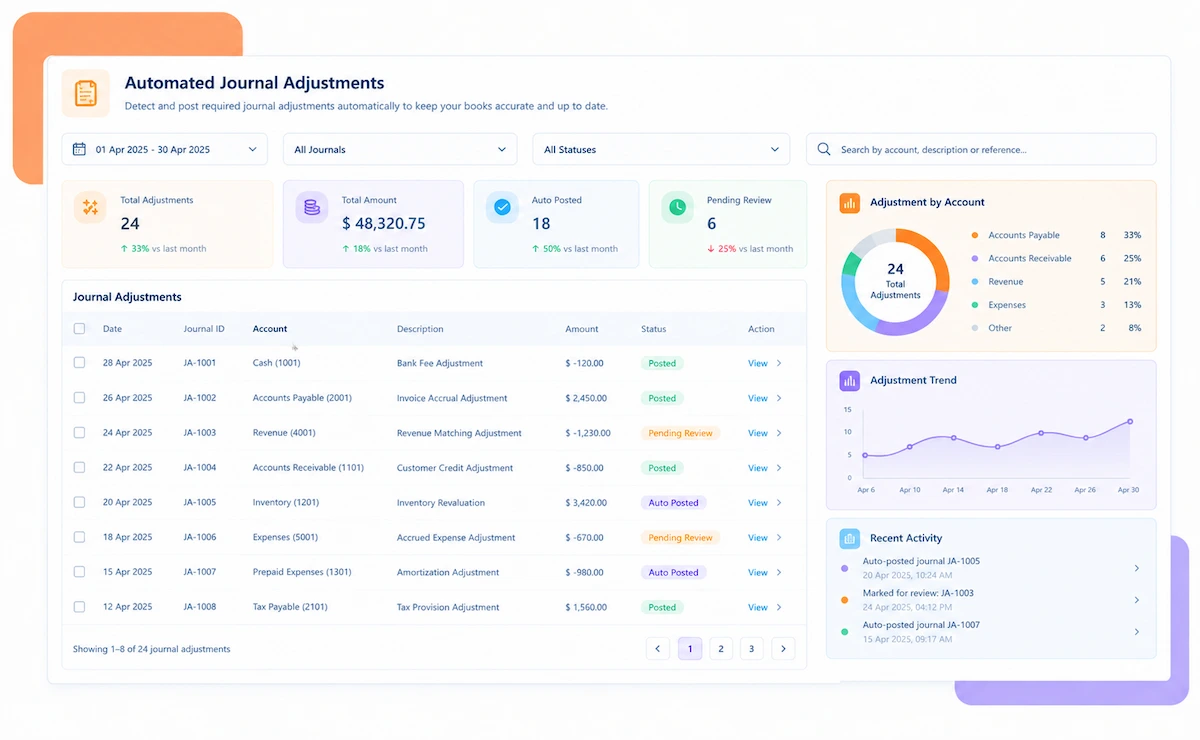
Kosh AI Machine Learning Invoice Reconciliation Software Dashboard

A 2026 AI-Powered Invoice Matching Platform

Your Rules Engine Caught 70% of Invoices. What Happened to the Other 30%?

Static matching rules handle the invoices they were written for and dump everything else into a review queue that never shrinks. Kosh AI's matching improves with every exception your team resolves, so that queue actually gets smaller over time instead of staying constant.

What Machine Learning Invoice Reconciliation Actually Automates

Matching an invoice correctly means checking it against a purchase order, a goods receipt, and your own tolerance rules, then learning something from whatever doesn't fit. Teams handling invoice-to-payment matching more broadly often pair this with invoice reconciliation software, built to track an invoice through to the payment behind it.

How Kosh AI's Machine Learning Invoice Matching Works

Four steps turn a stack of incoming invoices into approved payments and a shrinking exception queue. Teams processing high invoice volumes often run this alongside accounts payable reconciliation software, for reconciling the broader AP ledger once invoices are matched.

  • Invoices pulled in from any source: Email, vendor portals, and EDI feeds are all captured without a separate manual entry step.
  • Line items extracted automatically: Quantities, prices, and GL codes are read directly off the invoice rather than retyped.
  • 2-way or 3-way matching applied as needed: Services run through PO matching; physical goods add the goods receipt check automatically.
  • Tolerances checked line by line: Variances inside your configured thresholds move straight toward approval.
  • Exceptions grouped with context: A price mismatch arrives with the invoice, PO, and receipt data together, not as a bare error.
  • Sent to the right team automatically: AP, procurement, or the vendor gets the exception based on what's actually causing it.
  • Corrections feed back into matching logic: A pattern your team resolves manually once is recognized automatically the next time it appears.
  • Exception rates tracked over time: You can see straight-through processing improve as the system sees more of your invoice history.

Where Machine Learning Invoice Reconciliation Gets Used

The same matching challenge shows up differently depending on how purchasing works at your organization. Businesses closing GST-specific compliance gaps separately often use e-invoice bill reconciliation software alongside this for IRN and acknowledgment matching.

High-Volume PO-Based Procurement

Keeping pace with hundreds of invoices a day without the exception queue growing faster than it clears.

Recurring Vendor-Specific Discrepancies

Recognizing a vendor's known quirks automatically instead of re-flagging the same pattern every cycle.

Early Payment Discount Capture

Matching and approving invoices fast enough to actually take advantage of early payment terms.

Accounts Payable Teams

Spending time on genuine exceptions instead of re-reviewing invoices that would have matched anyway.

Procurement Teams

Getting routed only the exceptions that actually trace back to a purchasing decision.

Finance Controllers

Reviewing auto-match rates and exception trends without building the report manually.

High-Volume Invoice Processing

Kosh AI holds matching accuracy steady as invoice counts climb into the thousands per month.

  • Straight-through processing improves as volume grows.
  • Exception handling capacity scales without added headcount.
  • Vendor-specific patterns recognized across the full invoice history.
  • Growing AP Teams

    Kosh AI gives a smaller AP team enterprise-grade matching without a long implementation project.

  • Tolerance rules configured without engineering support.
  • New vendors onboarded without rebuilding matching logic.
  • Exception queues stay manageable as invoice volume rises.
  • What Changes When Invoice Matching Learns From Your Data

    A static rules engine solves today's exceptions. A learning system solves fewer of the same exception every month after.

    1

    Exception Volume Trends Down

    The system recognizes recurring patterns instead of flagging the same vendor quirk indefinitely.

    2

    Faster Processing, Not Just Faster Matching

    Clean invoices move to approval immediately, so payment cycles shorten across the board.

    3

    Exceptions Arrive Explained

    A likely cause ships with every flagged invoice instead of leaving AP to investigate cold.

    4

    Tolerances That Fit Your Business

    Thresholds are set by vendor and category, not a single blunt rule applied everywhere.

    5

    Early Payment Discounts Within Reach

    Faster matching means more invoices get approved in time to capture early payment terms.

    6

    A Defensible Audit Trail

    Every match, override, and auto-approval is logged, including why a tolerance let it through.

    With Kosh AI's Machine Learning Invoice Reconciliation, AP Teams Achieve

    90%Of Invoices Matched and Approved Without Manual Review
    60%Fewer Repeat Exceptions After the First Few Cycles
    2xFaster Invoice-to-Approval Processing Time

    Integrate Seamlessly with Your Existing ERP Systems

    Kosh AI connects directly with all major banks and ERPs, enabling real-time data sync for faster, more accurate reconciliations—no manual uploads, no delays.

    Smarter Invoice Reconciliation Starts with Machine Learning

    A fixed rules engine only ever catches what it was configured to catch. Kosh AI's matching gets sharper the longer it runs on your data.

    Learning from corrections icon

    Learns From Every Correction

    Manual fixes your team makes today reduce how often the same exception appears tomorrow.

    Vendor pattern recognition icon

    Recognizes Vendor-Specific Patterns

    A known quirk from a specific vendor gets handled automatically instead of flagged repeatedly.

    Root cause suggestion icon

    Suggests a Root Cause, Not Just an Alert

    Every exception arrives with a likely explanation, so AP isn't starting the investigation from zero.

    Scaling matching icon

    Holds Up at High Volume

    Matching accuracy doesn't degrade as invoice counts climb into the thousands per month.

    Rules-Based vs. Machine Learning Invoice Matching – What Changes

    A fixed rules engine works until an exception falls outside what the rules anticipated. See what a learning system does differently. The same engine also powers transaction matching software, for matching individual payments rather than full invoices.

    Feature Machine Learning Matching Rules-Based Matching
    Handling New Exception TypesLearns from how your team resolves them and adapts.Requires someone to manually update the rule set.
    Vendor-Specific QuirksRecognized automatically after the first few occurrences.Flagged as an exception every single time.
    Exception Volume Over TimeTrends downward as the system sees more data.Stays roughly constant unless rules are rewritten.
    Root Cause VisibilitySuggested automatically alongside each exception.Investigated manually by AP staff each time.
    Tolerance FlexibilityAdjustable by vendor, category, or PO type.Usually applied as one blanket threshold.
    Scaling With VolumeAccuracy holds as invoice counts grow.Exception review load grows roughly in proportion.

    See Your Invoice Match Rate Improve in Your First Full Cycle

    Connect your invoice, PO, and goods receipt data, and Kosh AI starts matching and learning from your corrections immediately.

    Schedule a Quick Demo
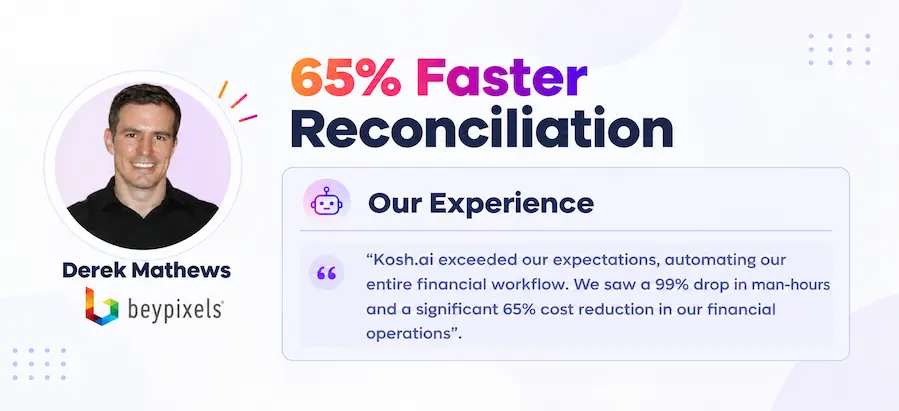
    Kosh AI customer success story for accounts payable teams

    Why AP Teams Are Moving Past Rules-Based Matching

    A rules engine is only as good as the last time someone updated it, which creates a familiar set of recurring problems:

    • A new vendor invoice format breaks a rule that worked fine for every vendor before it
    • The same quantity variance from the same supplier gets manually corrected every single month
    • Tolerance thresholds set once stay fixed even as purchasing patterns and vendor terms change
    • An exception queue that never shrinks starts to feel like a fixed cost of doing business
    • Nobody can say with confidence why a specific invoice auto-approved six months ago
    Why AP teams move past rules-based invoice matching

    Who Should Consider Machine Learning Invoice Matching

    1

    Teams Processing High Invoice Volumes

    The more invoices you process, the more a static rules engine's blind spots cost in review time.

    2

    AP Teams With a Growing Exception Backlog

    If the review queue keeps growing despite tuning the rules, the rules aren't the actual bottleneck.

    3

    Organizations With Many Recurring Vendors

    Vendor-specific quirks are exactly what a learning system is built to stop re-flagging.

    4

    Finance Teams Chasing Early Payment Discounts

    Faster, more accurate matching is what actually makes early payment terms achievable at scale.

    How to Roll Out Machine Learning Invoice Matching Well

    A few steps make the difference between a system that learns quickly and one that takes months to show results.

    • Feed in past invoices and resolutions where possible: A system with more history to learn from improves faster than one starting cold.
    • Fix obviously bad data before go-live: Garbled vendor names or inconsistent GL codes teach the system the wrong patterns.
    • Group vendors by typical variance patterns: A single tolerance for every vendor either misses real issues or flags too many false ones.
    • Revisit tolerances quarterly: Vendor terms and pricing patterns shift, and tolerances should shift with them.
    • Resolve similar exceptions the same way every time: Inconsistent manual corrections teach the system conflicting signals.
    • Document why an exception was resolved a certain way: That context speeds up review the next time something similar appears.
    • Watch which exception types are declining: A falling trend confirms the system is actually learning from your corrections.
    • Flag categories that aren't improving: A stubborn exception type usually points to a process issue upstream of matching.

    FAQs: Machine Learning Invoice Reconciliation Software

    What is machine learning invoice reconciliation software?

    It's software that matches invoices against purchase orders and goods receipts, and improves its own matching accuracy over time by learning from the corrections your team makes.

    What's the difference between 2-way and 3-way matching?

    2-way matching compares an invoice against its purchase order. 3-way matching adds the goods receipt, confirming the goods or services were actually received before payment.

    How does it actually learn from corrections?

    Historical invoices and the manual corrections your team makes feed back into the matching logic, so recurring patterns, like a specific vendor's known variance, get recognized automatically going forward.

    What happens to invoices within tolerance?

    Invoices with price or quantity variances inside your configured thresholds are approved automatically, without requiring manual sign-off.

    How are exceptions presented to my team?

    Each exception arrives grouped with the invoice, PO, and receipt data together, along with a suggested likely cause, instead of a bare mismatch alert.

    Is this different from invoice reconciliation software?

    This page focuses specifically on matching invoices to purchase orders and goods receipts using machine learning. Invoice reconciliation software covers the broader task of tracking an invoice through to the payment behind it.

    Does it work with GST e-invoicing requirements?

    For IRN and e-invoice portal acknowledgment matching specifically, Kosh AI's e-invoice bill reconciliation software is built for that compliance layer.

    How long before exception volume actually drops?

    Most teams see a noticeable decline in repeat exceptions within the first few processing cycles, as the system learns from early corrections.

    See Machine Learning Invoice Matching on Your Own Invoices

    Bring a batch of recent invoices, POs, and goods receipts, and we'll show you exactly what matches and what doesn't.

    Book a Demo