Match Carrier and Principal Statements Against Every Payout You Owe Your Downline Brokers
A broker payout isn't a single number. It's the sum of several carrier statements, run through a hierarchy of splits, net of whatever's been clawed back. Teams that need matching premiums, claims and commissions for insurance agencies usually turn to reconciliation software for insurance agencies alongside this.
Four steps that take carrier statements from arrival to a confirmed, explainable broker payout.
What broker payout reconciliation needs to cover changes with network structure and how business is written. Many teams pair this with commission reconciliation software, which focuses on matching calculated commissions against approvals and payroll handoffs.
Reconciling payouts owed to a growing network of sub-agents against incoming carrier statements.
Combining payouts across several carrier and program relationships into one view per broker.
Verifying splits correctly across three or more levels of hierarchy on every policy.
Confirming every downline payout matches the carrier statements and hierarchy rules behind it.
Keeping a traceable record from carrier statement through split to final payout for every broker.
Getting a payout they can trust reflects the documented hierarchy split, without having to ask why.
Reconciling renewal and trail commissions that shift as policies renew, lapse, or get replaced.
Matching high policy volume against carrier statements across several program relationships.
Networks that outgrew a spreadsheet-based payout process once downline headcount climbed.
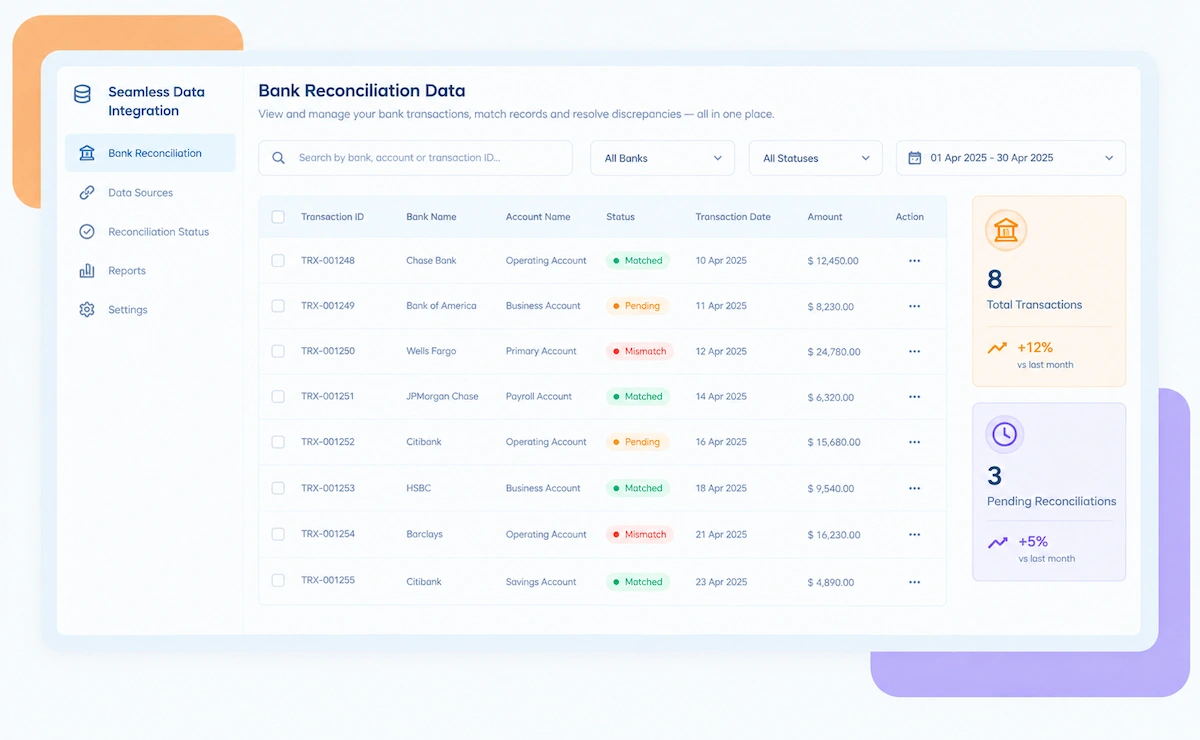
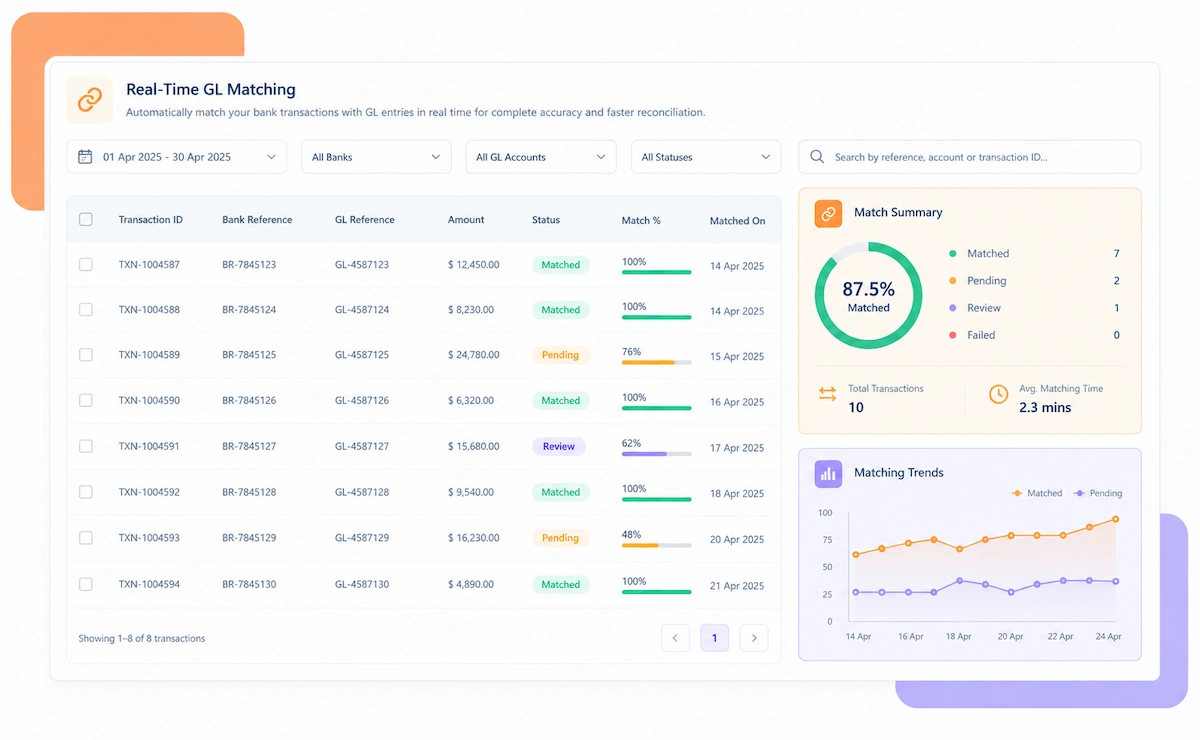
Kosh AI connects directly with all major banks and ERPs, enabling real-time data sync for faster, more accurate reconciliations—no manual uploads, no delays.


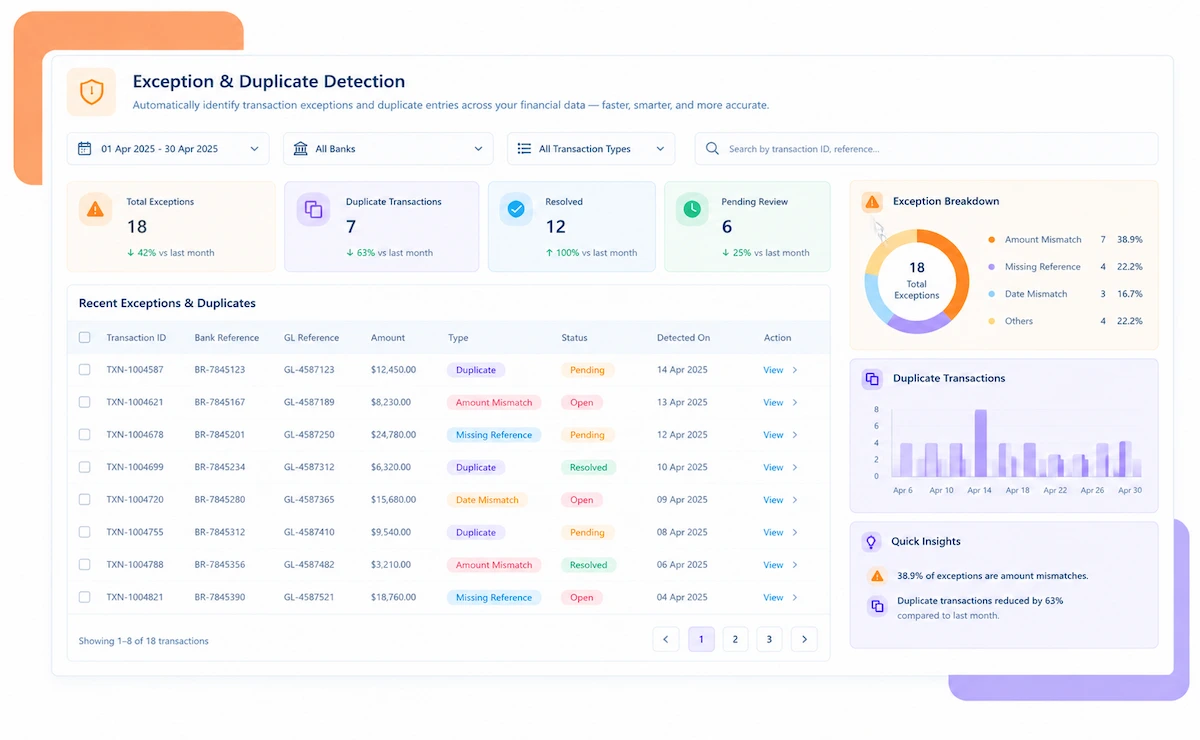
Spotting a real split error across a multi-tier broker network takes more than adding up carrier statements. Kosh AI understands which gaps are timing and which ones need a correction. For running the full payout approval-to-transfer process separately from reconciliation, see how payout management software handles it end to end.
Checks every tier of a downline split against the documented hierarchy, including overrides, before a payout goes out.
Ties a chargeback on a lapsed or cancelled policy back to the exact payout it adjusts, across every affected tier.
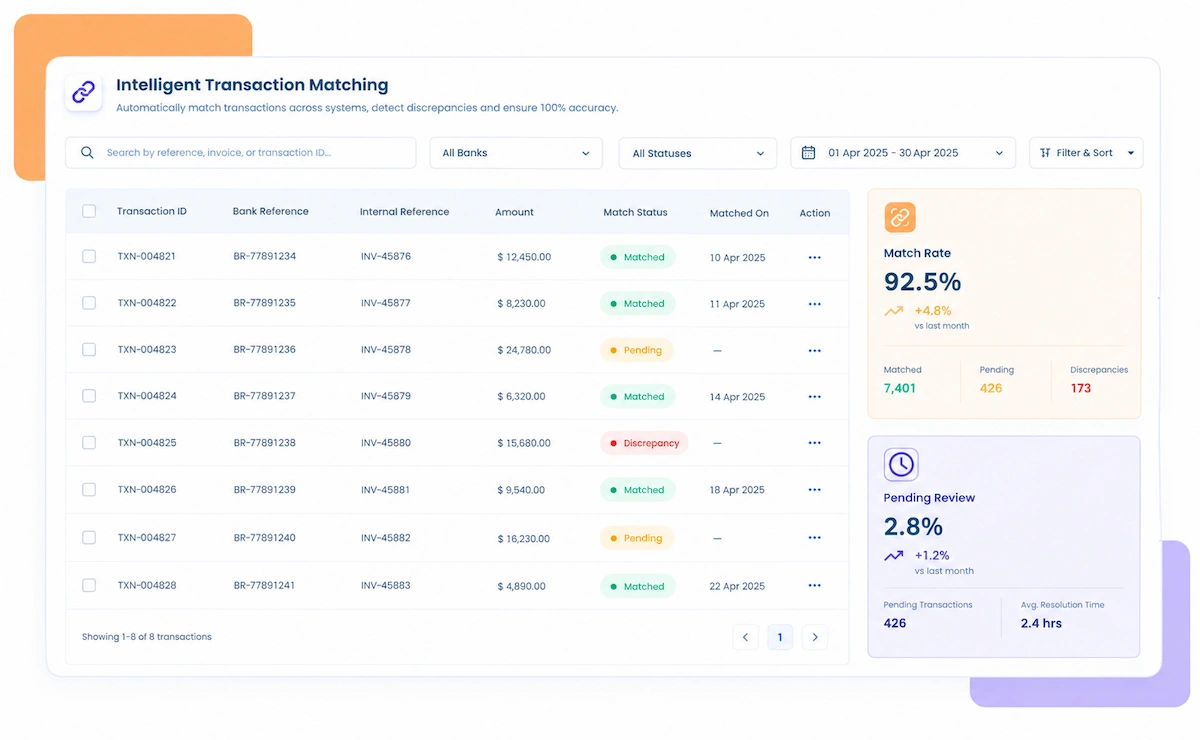
Reads statement formats from different carriers and principals and maps them into one consistent payout view.
Surfaces the full source-to-payout trail the moment a downline broker questions a figure.
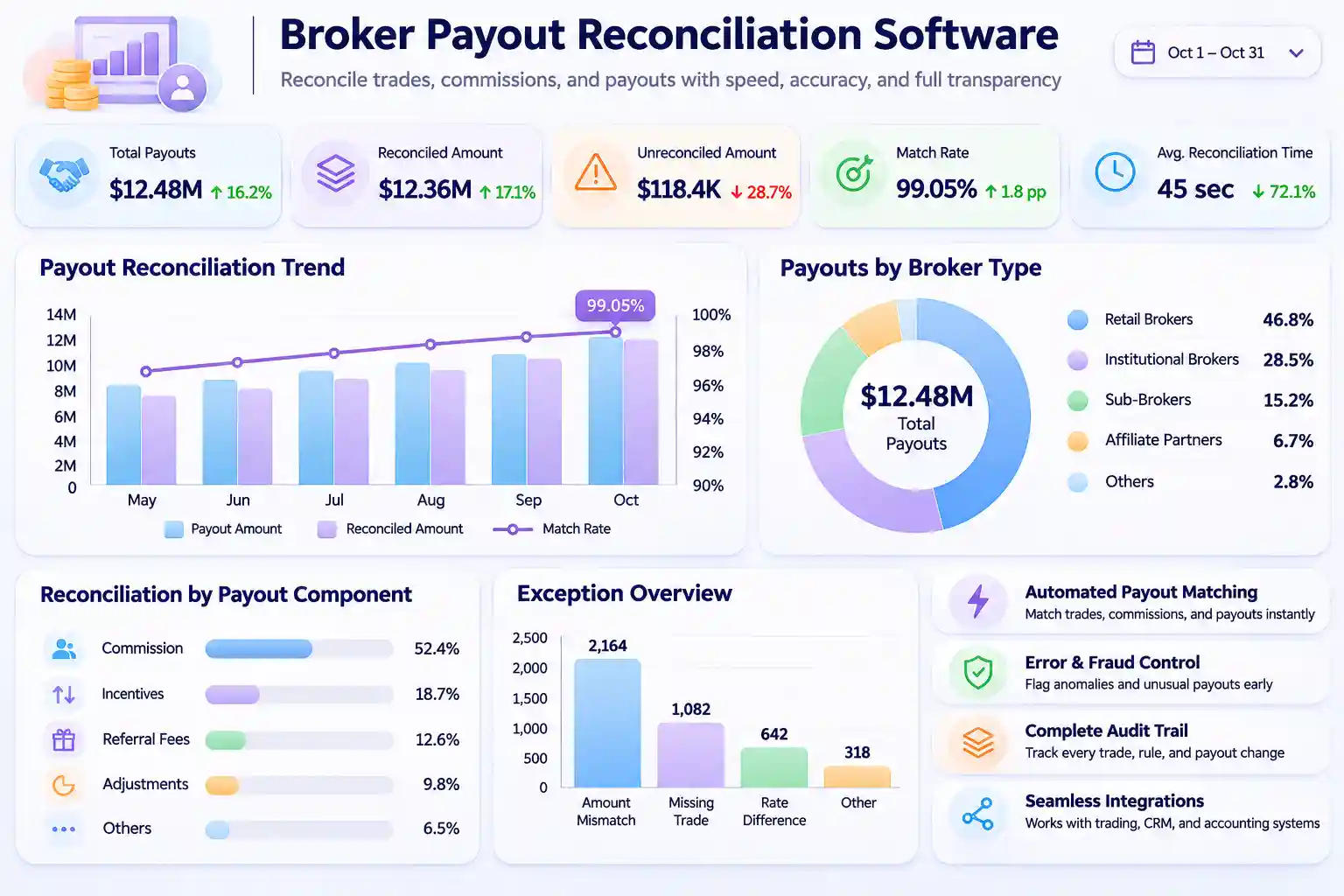
Broker payout reconciliation software checks that what a brokerage pays its own network of downline brokers and sub-agents agrees with what it actually received from every carrier and principal, once hierarchy splits and clawbacks are applied. When the source statements, the split calculations, and the final payout all line up, the payout is reconciled. When they don't, the software shows exactly where the number diverged.
This is a different problem from reconciling a single carrier statement or calculating sales commission internally. A brokerage with a multi-tier downline has to combine several incoming statements, apply split rules correctly at every level, and net out clawbacks on policies that lapsed or cancelled after a payout already went out, all before a single broker gets paid.
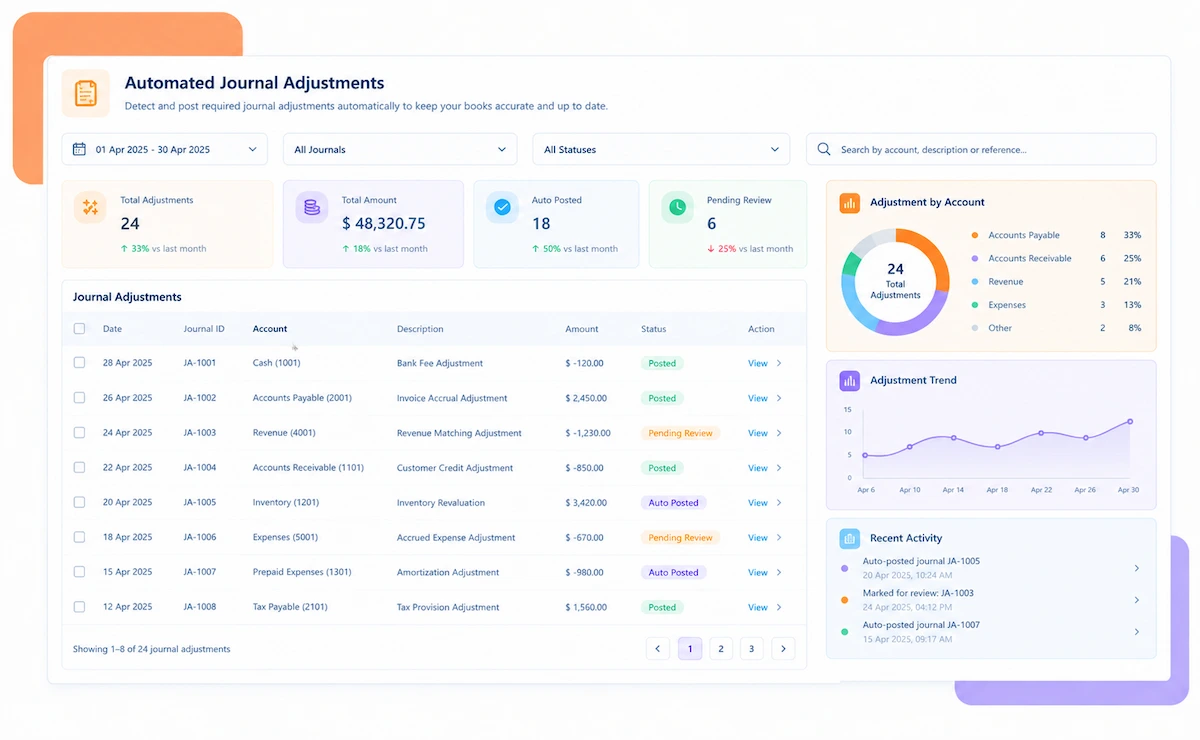
Kosh AI's broker payout reconciliation software consolidates statements from every carrier and principal, verifies splits across the full hierarchy, matches clawbacks back to their original payout, and keeps a complete trail from source statement to final payment, so a downline broker's question about their payout has an answer already waiting.

A spreadsheet can track downline payouts for a small network. See what changes once reconciliation runs automatically instead. Many teams pair this with multi-currency reconciliation software, which focuses on matching transactions and balances across currencies for networks that pay across borders.
| Feature | Automated Broker Payout Reconciliation | Manual Broker Payout Reconciliation |
|---|---|---|
| Carrier Statement Consolidation | Mapped automatically across every carrier and principal format. | Re-keyed by hand, format by format. |

| Hierarchy Split Verification | Checked at every tier against documented rules. | Prone to errors past two or three hierarchy levels. |
| Clawback Matching | Linked automatically to the original payout. | Often tracked as a separate, unexplained deduction. |
| Multi-Principal Aggregation | Combined into one payout view per broker. | Reviewed carrier by carrier, statement by statement. |

| Dispute Resolution | Resolved from an existing source-to-payout trail. | Rebuilt from scratch each time a broker asks. |
| Scaling the Downline | New brokers and tiers added without a new manual process. | Each new tier adds to the manual reconciliation workload. |
Broker payout tools vary a lot in what they actually check across a multi-tier network. These are the capabilities worth confirming.

Networks where a single policy's commission has to split correctly across three or more hierarchy levels.
Organizations combining statements from multiple principals into one payout per downline broker.
Networks where lapses and cancellations generate a steady stream of clawbacks that need tracing.
Brokerages adding sub-agents faster than a spreadsheet-based payout process can reasonably keep up with.
A few habits keep broker payout reconciliation accurate as a network grows.
A split rule that only lives in someone's memory is the first thing that breaks when a network scales.
An unlinked chargeback becomes a mystery deduction the moment a broker questions their statement.
Catching a statement error at the source is faster than finding it after it's already been combined into a payout.

Building the source-to-payout trail as reconciliation happens is what makes a broker dispute a quick lookup, not a project.
Bring a payout cycle where a downline broker questioned their number. We'll show you how Kosh AI would have traced it automatically.
Book a Demo